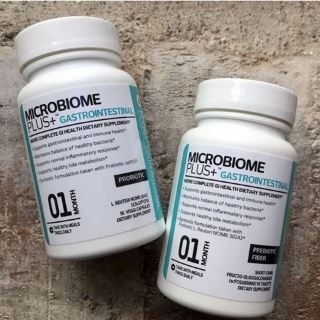

L. reuteri yogurt is a popular DIY trend, but results can be unpredictable. Sometimes it sets beautifully, and other times it doesn’t. Why does this happen? In this article, we break down the science of yogurt fermentation, explain what makes L. reuteri different, and show what works best for home experiments. We’ll also highlight our clinically studied L. reuteri NCIMB 30242, a strain researched for heart, gut, and vitamin D support, and explain how to enjoy its benefits reliably (even if your DIY batch isn’t perfect!).
Disclaimer: This post is for informational purposes only. Please discuss your health concerns with your care provider and consult them before taking any supplements to avoid disease and drug interactions.
Quick L. reuteri Yogurt Method
Two easy ways to add L. reuteri NCIMB 30242 to your yogurt:
Method 1 – Add to Finished Yogurt: Stir in 8 capsules of L. reuteri NCIMB 30242 per liter of yogurt. Each cup will deliver roughly two capsules’ worth of live bacteria, the typically recommended, clinically backed daily dosage. Simple, convenient, and based on clinical evidence.
Method 2 – Experimental Fermentation: Add 8 capsules of L. reuteri NCIMB 30242 per liter of milk. Ferment at ~ 36 °C (97 °F) for 24–36 hours. This allows L. reuteri to survive and potentially slowly multiply, producing a probiotic-rich yogurt, though texture and CFU counts may vary; some separation is normal.
Probiotics and prebiotics we recommend:
- L. reuteri NCIMB 30242 capsules
- scFOS tablets (optional)
- L.reuteri NCIMB 30242 + scFOS prebiotic combo

What Is Lactobacillus reuteri NCIMB 30242?
Lactobacillus reuteri NCIMB 30242 is a clinically studied probiotic strain that is included in Microbiome Plus+ supplements. Unlike many generic probiotics, this strain has been tested in multiple peer-reviewed human clinical trials and is sometimes referred to as LRC Probiotic, the trademarked name for this specific strain.
Research shows that L. reuteri NCIMB 30242 can 1–7:
- Support healthy cholesterol already in the normal range*
- Supports heart health and an already normal anti-inflammatory response in the body*
- Help maintain a balanced anti-inflammatory response*
- Support gastrointestinal health and gut microbiome diversity*
- Support immune health*
- Help maintain normal vitamin D levels*
It produces an enzyme called bile salt hydrolase (BSH), which helps maintain bile acid balance in the gut, supporting digestion, cholesterol metabolism, and the gut lining.*
While this article focuses on yogurt fermentation, understanding the properties of L. reuteri NCIMB 30242 helps explain why it behaves differently from other L. reuteri strains in milk.
For a full overview of the research and clinical studies on this probiotic, you can visit the Microbiome Plus+ L. reuteri NCIMB 30242 clinical research page.
Why Some Internet L. reuteri Yogurt Recipes Use Different Strains
Some Recipes Recommend LRDR
Many popular recipes reference Dr. Davis or Donna Schwenk’s method using L. reuteri LRDR. This strain is human-derived and primarily focused on gut health, not cholesterol or cardiometabolic outcomes.
Dr. Davis previously mentioned using L. reuteri ATCC PTA 5289 (mostly studied for immune and oral health) and DSM 17938 (mainly studied in babies with colic). Based on his work, some recipes still recommend these two strains.
We decided to write this article because several of our customers have reported making yogurt with our L. reuteri NCIMB 30242 strain with great results. This article is meant as a resource for everyone who is interested in trying this approach out.
Important distinction: L. reuteri NCIMB 30242 (LRC) is the strain highlighted in this article. It behaves differently in fermentation and in terms of clinical effects compared with LRDR. Readers should be aware that recipes using LRDR may produce different yogurt textures, probiotic counts, and health benefits than those using NCIMB 30242.
What Makes L. Reuteri Yogurt Different
The key point to understand is that making L. reuteri yogurt is different from traditional yogurt making. It’s not about eating yogurt or fermented dairy but about the unique and specific health benefits that L. reuteri strains can offer.
You simply cannot get these from consuming conventional yogurt (storebought or homemade), as it doesn’t contain L. reuteri. That’s why specific L. reuteri strains need to be added, and they need to be fermented differently than traditional yogurt because of their unique characteristics. The goal is to create a real yogurt superfood high in these clinically backed strains.
The rationale behind using our L. reuteri NCIMB 30242 strain is that it can be immensely helpful for people looking to support heart, gut, and immune health.
Many of our customers simply take our probiotic as capsules, but others are drawn to turning it into yogurt. If you’re among them, this article is for you!
Why Are People Making L. reuteri Yogurt?
Many people are drawn to making L. reuteri yogurt at home not just for the potential health benefits, but for the joy of reclaiming a lost tradition. Before refrigeration became widespread in the 20th century, fermenting milk, vegetables, and other foods was simply how humans preserved and improved their diets.
Traditionally fermented foods were naturally rich in beneficial microbes, supporting digestion, enhanced nutritional value, immunity, and overall wellness. 8 Today, that knowledge has largely been forgotten, and most of us consume far fewer live microbes than our ancestors did.
For many, making L. reuteri yogurt is a way to reconnect with that tradition, to actively cultivate living bacteria, and participate in a form of food preparation that has been part of human culture for centuries. In essence, fermentation enhances the value of food by breaking down complex compounds into easily digestible nutrients. DIY food fermentation is also a way to promote a healthier, sustainable, and more inclusive global food system of the future—especially when using local and organic ingredients (whenever possible). 9,10
Beyond this, some are motivated by the health effects of L. reuteri strains reported in animal and human studies. L. reuteri as a probiotic species has been linked to benefits ranging from gut health to improved sleep, hormone regulation, and even metabolic and cardiovascular wellness. 11 L. reuteri has also been dubbed the probiotic that supports the release of the “love hormone” oxytocin from the brain—which can help us feel more love, connectedness, and compassion. 12 And who doesn’t want that?
Enthusiasts like Dr. William Davis and others have experimented with fermenting L. reuteri at high bacterial counts, reporting effects on skin, sleep, appetite, and mood. The DIY approach may allow people to reach higher probiotic counts than some commercially available products, which is an appealing potential perk.
Key L. reuteri Yogurt Making Limitations to Keep in Mind
DIY fermentation should be approached with critical thinking and an understanding of strain specificity.
A High CFU Count Is Not Always Better
A higher CFU count sounds tempting, but it doesn’t necessarily translate to more powerful benefits. The most reliable way to get specific health benefits is to use the probiotic at a dosage and duration that was tested in clinical trials.
L. Reuteri Strains Differ
Also, not all L. reuteri strains behave the same way or confer the same benefits. Some act more on the gut–brain axis, while strains like L. reuteri NCIMB 30242 have been studied for cholesterol support, vitamin D production, and gut health.
Success depends on temperature, fermentation time, prebiotic support, and the specific strain used.
You Need to Know the Basic of Fermentation
Making yogurt at home can be fun, but it’s also a reminder that science matters: understanding which strains do what, and in what context, is key to translating ancient traditions into meaningful, modern health practices that actually work.
For those trying to maximize the potential of L. reuteri at home, understanding how fermentation time, temperature, and prebiotics influence bacterial growth is essential.
The next section explores the challenges of making l. reuteri yogurt and the science behind extended fermentation (including what research says about probiotic counts, functionality, and safety).
The Art & Science of Fermentation: Why Longer Fermentation Times May Matter
While the DIY approach is empowering, L. reuteri fermentation is not as straightforward as traditional yogurt.
Traditional Yogurt Fermentation
At its core, fermentation combines traditional techniques with a deep understanding of microbial behavior. Traditional yogurt is made by fermenting milk with carefully selected bacterial strains, most commonly Streptococcus thermophilus and Lactobacillus bulgaricus . 13
These bacteria consume lactose in milk and gradually produce lactic acid, which lowers the milk’s pH. As acidity rises, milk proteins (primarily casein) coagulate into a smooth, stable gel, giving yogurt its familiar creamy texture. 14
Because these strains are well-adapted to milk fermentation, they acidify predictably, form a robust protein network, and produce minimal gas, resulting in consistent flavor, texture, and probiotic content. 14
L. reuteri Fermentation
L. reuteri, by contrast, behaves quite differently. It ferments more slowly, can release gas, and doesn’t create the same stable protein network. This often leads to separation or a cottage cheese–like appearance in DIY batches. And this unique behavior is part of what makes crafting L. reuteri yogurt both a challenge and a fascinating exploration of microbial science—one that allows enthusiasts to experiment with higher bacterial counts, strain-specific effects, and longer fermentation times to maximize potential benefits.
Enthusiasts like Dr. William Davis have popularized extended fermentation times (around 36 hours) for L. reuteri yogurt, aiming to allow the bacteria to multiply exponentially and reach very high CFU counts.
In his experience, this approach can result in impressive numbers of live bacteria, potentially supporting health effects that are difficult to achieve with lower-count commercial products. According to him, longer fermentation paired with prebiotic fiber may help L. reuteri flourish in milk, something short incubations might not accomplish.
However, scientific studies with strains like NCIMB 30242 highlight some important limitations. Shorter fermentations of 4–6 hours (common in commercial or lab settings) often result in limited bacterial growth. Adding too much of the probiotic can paradoxically reduce growth and release more CO₂ and other byproducts, causing bubbles, separation, or unusual flavors. Milk proteins may curdle, giving the yogurt a cottage cheese–like appearance. Uneven distribution of bacteria means some servings may contain far more or fewer live cells than others. 15
Mixing L. reuteri with traditional yogurt starters can also complicate matters: other bacteria may multiply faster than L. reuteri, changing the microbial balance in the final product. Even key markers of probiotic activity, like bile salt hydrolase, can vary depending on whether the bacteria are fermented in milk or added afterward. 15
The takeaway? DIY L. reuteri yogurt is both an art and a science, and you have to be ready to experiment. Extended fermentation may increase probiotic counts, but it comes with trade-offs in texture, flavor, consistency, and uneven probiotic distribution. Being aware of these variables can allow you to experiment safely, make informed decisions about incubation times and prebiotic additions, and enjoy the process while understanding the limits of what can be realistically controlled and measured at home.
Can L. reuteri Ferment Milk?
Yes, but it behaves differently from traditional yogurt cultures. Unlike Streptococcus thermophilus and Lactobacillus bulgaricus, which reliably acidify milk and create a stable, creamy yogurt in a few hours, L. reuteri grows more slowly and can produce unexpected textures, flavors, and gas. Here’s what the science shows and what it means for your ferment:
1. Growth is slow and strain-dependent
- Standard 4–6 hour incubations often only reach modest bacterial counts.
- L. reuteri may need extended fermentation (up to 36 hours) to multiply to tens or hundreds of billions of CFUs per serving.
- Different strains behave differently, so you cannot reliably expect the same results using different L. reuteri strains
2. High counts can affect texture and flavor
- When the probiotic count exceeds ~10⁸ CFU/mL, separation of whey, gas bubbles, and a tangy or “cheesy” flavor can appear.
- This is a normal part of the fermentation process, not a sign that your batch has “failed.”
Why this happens: L. reuteri is a heterofermentative bacterium, meaning it produces not only lactic acid but also small amounts of CO₂ (carbon dioxide, the gas that makes drinks fizzy), ethanol, and acetic acid during fermentation. Acidification causes milk proteins (casein) to destabilize, forming curds and releasing whey. Gas formation from CO₂ creates bubbles, and the combination of acid, protein clumping, and fermentation byproducts contributes to the tangy flavor.
This has been observed in both controlled lab studies (e.g., L. reuteri NCIMB 30242 yogurt experiments) and in DIY batches with high bacterial counts.
3. Fermentation is influenced by milk composition
- Protein content and type matter: higher protein and A2 milk may help reduce separation.
- Prebiotic fibers may support growth but can accelerate acidification, increasing curdling risk.
4. Distribution of bacteria may be uneven
- L. reuteri can settle or multiply unevenly in milk. This means one spoonful may contain more or fewer live bacteria than another.
- Experienced fermenters sometimes use gentle stirring, blending, or layered inoculation to improve consistency, but this doesn’t guarantee even distribution; some variation is normal.
Why this happens: During fermentation, L. reuteri can become less evenly distributed in the yogurt. This was observed in studies with L. reuteri NCIMB 30242, where high bacterial density led to some parts of the yogurt having more live bacteria than others. This happens because:
- CO₂ production creates tiny bubbles that can push bacteria into pockets.
- Casein curds and whey separate, physically concentrating bacteria in some areas.
- Slow, extended fermentation can allow local microenvironments to form, affecting bacterial growth and distribution.
The takeaway: your DIY yogurt will still be probiotic-rich, but you can’t guarantee every spoonful has the same CFU count.
5. Actionable tips for successful fermentation
- Use UHT half and half or whole milk with added protein if possible.
- Maintain a steady, slightly cooler temperature (≈36–38°C / 96–100°F) for slow, controlled growth.
- Extend incubation gradually, tasting along the way to find your preferred acidity and texture.
- Embrace separation; both curds and whey contain beneficial bacteria.
- Use prebiotics carefully to balance growth with texture.
Bottom line: L. reuteri can ferment milk, but it’s a different beast than traditional yogurt. Patience, attention to strain, and a willingness to accept some separation are key to creating a probiotic-rich, beneficial ferment. For experienced fermenters, small adjustments in temperature, incubation time, and milk composition can make a big difference.
Method 1: Add L. reuteri to Finished Yogurt (Research-Based Approach)
This method is based on how scientists and clinical studies maximize the probiotic benefits of L. reuteri NCIMB 30242. Instead of adding the bacteria at the start of fermentation, it’s introduced after the yogurt is already made, which helps preserve its viability and activity. This method is super simple and reliable.
What you’ll need:
- 1 liter of finished yogurt (plain, full-fat is ideal)
- 8 capsules of L. reuteri NCIMB 30242 (3.5 billion CFU per capsule; 2 capsules per cup serving)
- Optional: 2–4 teaspoons of scFOS or inulin to improve texture
Why this works:
- L. reuteri NCIMB 30242 grows slowly in milk and can cause separation, gas bubbles, and uneven distribution if fermented directly.
- Adding it to finished yogurt delivers a precise, reliable dose: roughly two capsules per cup (~250 mL), matching the typical daily recommended intake.
Instructions:
- Prepare the yogurt: Ensure your yogurt is chilled but not frozen. Use plain, full-fat yogurt for best texture and taste.
- Open the capsules: Gently crush or empty 8 capsules of L. reuteri NCIMB 30242 into a small bowl.
- Optional prebiotic: Mix in 8 crushed tablets of scFOS or 2–4 teaspoons of inulin. This won’t increase bacterial growth but helps reduce separation, makes the yogurt creamier, and supports extended gut microbiome benefits.
- Incorporate into yogurt: Fold the mixture gently into 1 liter of yogurt until evenly distributed. Avoid vigorous stirring to preserve texture.
- Chill before serving: Refrigerate for 1–2 hours to let the yogurt settle and ensure the bacteria are evenly suspended.
Notes:
- This approach avoids all the common issues that can occur with direct fermentation.
- Adding the bacteria at the end preserves viability and ensures a consistent dose per serving.
Method 2: Experimental L. reuteri Yogurt Fermentation
This approach allows L. reuteri NCIMB 30242 to grow directly in milk, producing a probiotic-rich yogurt. Fermentation is slower than traditional yogurt, but it may yield tens of billions of CFUs per serving.
Ingredients Needed to Make L. reuteri Yogurt
If you want to do L. reuteri yogurt fermentation, this is what you’ll need. To make a single liter of L. reuteri yogurt using the NCIMB 30242 strain, prepare:
Ingredients (makes ~1 liter):- 1 liter whole milk or half-and-half (if available)
- 8 capsules L. reuteri NCIMB 30242 (≈3.5 billion CFU per capsule)
- 8 tablets of scFOS or 1–2 tablespoons of inulin (optional, improves texture and reduces separation)
Note on milk: Full-fat milk helps create a creamier texture and supports protein network formation. Using high-quality, ultra-pasteurized (UHT), and ideally organic milk ensures fewer competing bacteria, resulting in a more reliable fermentation and probiotic yield.
If you can’t find UHT milk: You can also heat your milk to 195ºF / 90ºC and maintain it there for 10 minutes. Then cool it down in the fridge or freezer until it’s down to 100°F before adding the probiotic. This helps denature the lactoglobulin protein in milk, allowing it to better blend with other proteins and thicken. It also helps prevent the yogurt from separating into whey and curds. If you use ultra-pasteurized (UHT) milk, you don't need to heat it.
Note on scFOS tablets: For best results, grind the MB+ scFOS tablets into a fine powder before adding the probiotic and milk. This helps disperse the prebiotic evenly and supports a thicker, creamier final yogurt.
Rule of thumb: Prebiotics are optional for growth but important for texture. For scFOS tablets, adding 8 tablets per liter is reasonable and relies on the recommended daily dose. More can be tried carefully, but you won’t see huge effects on bacterial counts, just on consistency and suspension.
Equipment/Optional Tools:
- Yogurt maker or
- Instant Pot or
- Precision Cooker
- Glass jars (four 250 ml jars or 5–6 200 ml jars)
- Thermometer
- Small ceramic bowl for pre-mixing
- Clean utensils
Instructions:
1. Prepare the milk:
- If not using UHT milk: Heat milk to 82°C (180°F) for 10 minutes to denature proteins. Allow milk to cool to 40°C (104°F) or below. L. reuteri dies above 43°C.
- If using UHT milk: You don’t need to pre-heat it. Just make sure it’s at room temperature when starting.
2. Add prebiotic (optional):
- In a glass/ceramic bowl or a glass jar, carefully crush and stir in scFOS or inulin.
3. Add the probiotic:
- Open 8 capsules of L. reuteri NCIMB 30242 and mix the powder with the prebiotic.
4. Add the milk
- Stir in 5-6 tablespoons of milk and mix well with a whisk to avoid clumping.You should get a slurry-like consistency.
- Stir in the remainder of the milk. Mix well with a whisk (do not use a power blender!).
5. Ferment:
- Transfer to clean jars.
- Cover lightly with plastic wrap or loose-fitting lids.
- Place in a yogurt maker or other appliance that can maintain a constant 36 °C (97 °F) for 36 hours. Do not stir while fermenting.
- Incubate at 36 °C (97 °F) for 24–36 hours, depending on your appliance and desired thickness.
- Check periodically—yogurt may appear separated or slightly fizzy due to CO₂; this is normal.
- When done, remove jars and keep the lids loosely on, then refrigerate. Don’t tighten the lids while the yogurt is still warm as pressure may build up and cause your glass jars to break. Once the yogurt has chilled in the fridge, you can tighten the lids.
6. Cool and store:
- Refrigerate for at least 6 hours before consuming.
- The yogurt will keep in the fridge for up to 4 weeks.
- Use 2 tablespoons of the batch to inoculate the next batch if desired. Limit continuous re-inoculation to 4–5 generations to maintain strain purity.
Serving:
- Add sweeteners, fruit, or flavorings after fermentation, not during.
Do You Need A Yogurt Maker/Special Appliances?
You don’t need a dedicated yogurt maker to make L. reuteri yogurt, but maintaining a steady warm temperature (~36 °C / 97 °F) for 24–36 hours is essential for reliable fermentation. Here are some DIY options:
How to Sous Vide Without a Machine
Sous vide is a cooking method that places food in jars or bags and holds it in a temperature-controlled water bath. Specialized immersion circulators make this easy, but it can also be done with a pot, water, and a thermometer.
Fill a pot with water and heat it on the stove to 36 °C (97 °F).
After step 4, place your milk in glass jars and lower them slowly into the water bath. Cover the jars with loose-fitting lids.
Monitor the temperature with a thermometer and adjust the heat as needed to maintain a steady temperature. This is the trickiest part, as maintaining 36 °C (97 °F) for 24–36 hours requires frequent attention.
Once fermentation is complete, proceed with step 6 to cool and store.
This method works, but because of the long fermentation time, a yogurt maker or other temperature-controlled appliance is usually much easier.
Oven with Light On Method
Place the jars in an oven with the light on, which often keeps the temperature around 35–38 °C (95–100 °F). The oven light generates just enough heat to maintain a stable warm environment for slow L. reuteri growth. Use an oven thermometer to confirm the temperature stays close to 36 °C (97 °F) during the 24–36-hour fermentation.
Room Temperature Fermentation
Room temperature fermentation is generally not recommended. Most homes are 20–25 °C (68–77 °F), which is too cool for L. reuteri fermentation.
L. reuteri grows best around 36 °C (97 °F), so maintaining a warm and stable environment is important for reliable results.
In very warm climates where room temperature approaches 35–37 °C (95–99 °F), fermentation may occur, but results are less predictable.
The verdict: A yogurt maker, Instant Pot on “Sous Vide” or “Custom” mode, or any appliance that keeps a steady 36 °C is the easiest and most reliable way to ferment L. reuteri yogurt.
Do You Need a Yogurt Starter?
You do not need a traditional yogurt starter. This method relies solely on L. reuteri NCIMB 30242 to ferment the milk and produce a probiotic-rich yogurt. So, L. reuteri NCIMB 30242 is your yogurt starter.
Using a standard yogurt starter (containing strains like Lactobacillus bulgaricus or Streptococcus thermophilus) can actually interfere with your batch. These bacteria may compete with L. reuteri, slowing its growth, altering the texture, and changing the flavor profile. The result could be more like conventional yogurt rather than a pure L. reuteri product.
Skipping a starter ensures the probiotic you add is the dominant strain in your yogurt.
How to Estimate CFU per Cup
Some DIY recipes assume L. reuteri doubles every ~3 hours, which would theoretically produce large probiotic counts during a 36-hour fermentation. However, this estimate comes from laboratory growth conditions and has not been demonstrated for L. reuteri NCIMB 30242 in milk.
In yogurt fermentation studies, growth of L. reuteri is typically slower and sometimes minimal, so final probiotic counts can vary widely. 15
1. Starting dose
- 8 capsules × 3.5 billion CFU each = 28 billion CFU total in 1 L of milk.
- 1 L = 4 cups, so if bacteria didn’t multiply at all, each cup would have 7 billion CFU.
2. Bacterial growth during fermentation
- L. reuteri NCIMB 30242 can multiply during fermentation, but slowly. Doubling times in milk are typically 3–5 hours under ideal conditions.
- A 24–36 hour fermentation might give 1–2 doublings, so the CFU per cup could increase from 7 billion → 14–28 billion CFU, depending on conditions.
3. Bacterial decline (stress or high temperature)
- If the milk is too hot when stirred in or the fermentation goes too long and pH drops too low, some L. reuteri may die.
- This could reduce the final CFU per cup back toward the starting 7 billion, or slightly lower.
4. Key points
- The actual CFU per cup is a range, not an exact number: 7–28 billion CFU per 250 mL cup depending on growth during fermentation and storage.
- Some areas of the yogurt may have more bacteria than others, so each spoonful may differ slightly in CFU.
- Using capsules in finished yogurt (Method 1) is more predictable because you’re not relying on bacterial growth. Fermenting with the bacteria (Method 2) is more experimental and can give higher CFU, but results vary.
Key Tips & Troubleshooting
Milk, Fat, and Protein Matter
L. reuteri behaves differently from traditional yogurt bacteria. It prefers full-fat milk or a mix like half-and-half (equal parts whole milk and light cream, as Dr. Davis recommends). If that’s not available, whole milk or a combination of whole milk and cream works. Adding extra protein—via whole milk, powdered milk, or cream—helps the milk form a more stable gel during fermentation.
Why it matters: Protein and fat help the milk hold together better, but some separation is normal.
Heat First, Cool Before Mixing with Bacteria
- If not using UHT milk, heat the milk to ~82 °C (180 °F) for about 10 minutes. This denatures proteins, making the milk set more consistently.
- Cool the milk below 40°C (104°F) or below before adding L. reuteri; higher temperatures can kill the bacteria.
- Using UHT milk is the simplest option as you don’t need to heat it before adding it to the probiotic and prebiotic.
Pro tip from the community: Some fermenters add a prebiotic slurry (inulin + a bit of milk) as the milk cools. Then they add this mixture to the probiotic once at 40°C (104°F) or below. This may help reduce bubbles and separation.
Fermentation Timing and CFUs
- L. reuteri grows slower than traditional yogurt bacteria, with a doubling time of 3–5 hours in milk.
- To reach tens or potentially hundreds of billions of CFUs per liter, fermentation may take 20–36 hours, depending on milk composition, and ambient temperature; it’s impossible to know exactly how many CFUs your yogurt has when making it at home, though.
Takeaway: Don’t rely on a fixed 36-hour schedule. Instead, watch for thickening and stop fermentation when it reaches the desired texture.
Expect Variation
Even with ideal milk, protein, and prebiotics, L. reuteri yogurt may separate or have a thin layer of whey. Both solids and whey are rich in live bacteria, and all should be consumed. Use the first batch as a starter for the next—after 3–5 re-inoculations, start fresh to prevent contamination or loss of potency.
Do You Need Inulin or scFOS?
L. reuteri primarily feeds on lactose, not inulin. Adding inulin or another prebiotic does not significantly boost bacterial growth, but it does improve texture and reduce separation, producing a thicker, creamier yogurt-like product.
Short-chain fructooligosaccharides (scFOS) work in a similar way to inulin. They act as a prebiotic “scaffold,” helping L. reuteri remain suspended in the milk, which reduces bubbles and whey separation. Growth rates of the bacteria remain largely unchanged, but the resulting fermented dairy is more consistent and pleasant to eat.
Beyond texture, combining scFOS (or FOS) with L. reuteri NCIMB 30242 shows synergistic effects on gut health 16:
- Balanced microbial community: The combination promotes higher relative abundances of beneficial bacteria like Bifidobacterium, Lactobacillus, and Bacillus, while suppressing potential pathogens such as Escherichia-Shigella and Bacteroides.
- Metabolic regulation: FOS encourages the production of acetic acid and reduces harmful metabolites like H₂, H₂S, and NH₃. L. reuteri alone doesn’t significantly alter metabolism, but together with FOS, it helps maintain a healthier, balanced gut environment.
- Gut colonization support: FOS helps L. reuteri survive and establish in the gut more effectively, potentially enhancing its functional benefits.
Some fermenters skip prebiotics, but expect a thinner, kefir-like consistency. Using inulin or scFOS isn’t required for bacterial growth but is highly recommended for texture, consistency, and potential gut microbiome support.
The Difference Between Yogurt Cultures and Probiotic Strains
Traditional yogurt is made using starter cultures such as Lactobacillus bulgaricus and Streptococcus thermophilus. These strains are selected for their ability to quickly ferment milk, produce lactic acid, and create the familiar thick, tangy texture of yogurt. They thrive in milk, multiply rapidly, and dominate the fermentation environment.
Probiotic strains like Lactobacillus reuteri NCIMB 30242, on the other hand, are chosen for their health benefits rather than their fermentation speed. L. reuteri grows more slowly in milk and may interact differently with the yogurt matrix, often leading to slower population increases and sometimes texture changes such as whey separation or gas bubbles.
In practice, this means:
- Yogurt cultures → fast growth, reliable texture, tangy flavor
- Probiotics like L. reuteri → slower growth, subtle texture changes, health-focused benefits
Understanding this difference is key when making L. reuteri yogurt, as it helps explain why traditional fermentation techniques may need adjustment or why adding the probiotic to finished yogurt is often recommended.
Frequently Asked Questions:
Does L. reuteri multiply in yogurt?
L. reuteri NCIMB 30242 can multiply in milk, but growth is slow. Under ideal conditions, it may double 2–4 times over 24–36 hours. This means that if you start with 8 capsules (~28 billion CFU total for 1 L), levels may reach a maximum of 100–150 billion CFU per liter (about 3–5× the starting amount). However, growth is unpredictable, CFUs may be much lower, and the probiotic may be unevenly distributed in the yogurt. 15
How long should L. reuteri yogurt ferment?
Ferment at 36 °C (96–97 °F) for 24–36 hours, checking periodically. The exact time depends on milk type and desired thickness.
Can you use probiotic capsules to make yogurt?
Yes, you can use L. reuteri NCIMB 30242 capsules to inoculate milk, but make sure the milk is cooled below 40 °C (104 °F) before adding the powder so the bacteria survive.
Does fermentation increase probiotic levels?
The short answer: it depends. With L. reuteri NCIMB 30242, growth is limited during the first 4 hours, but longer fermentation (up to 36 hours) may achieve a few doublings.
What do you need to make L. reuteri yogurt?
You need whole milk or half-and-half, L. reuteri NCIMB 30242 capsules, and optionally a prebiotic like scFOS or inulin to improve texture and reduce separation. A yogurt maker can make the process easier and more reliable.
Can I make L. reuteri without a yogurt maker?
Yes. You can ferment L. reuteri yogurt using a warm water bath, oven with the light on, or another method that keeps the temperature around 36 °C (97 °F) for 24–36 hours, though a yogurt maker makes this much easier.
How to make L. reuteri yogurt in an instant pot?
You can use an Instant Pot: mix UHT milk with L. reuteri NCIMB 30242 and the scFOS probiotic then incubate using the "Custom" or "Sous Vide" function at 36°C for 24–36 hours. Check for thickness periodically.
Beware that the "Normal" or "Medium" yogurt setting on most standard Instant Pots typically runs between 36°C and 43°C, which is too high for this method. On the other hand, the "Less" setting is usually for 30–34°C (86~93.2°F), which is often too low for proper fermentation. To ensure accuracy, you can fill the pot with water and test the temperature with a thermometer after it has stabilized.
How many times can I make L. reuteri yogurt?
You can re-inoculate your next batch with about two tablespoons of the previous batch 4–5 times to maintain strain purity. After that, start a fresh batch to avoid contamination or reduced potency.
Does Greek yogurt have L. reuteri?
No, standard Greek yogurt typically contains Streptococcus thermophilus and Lactobacillus bulgaricus, not L. reuteri. You would need to add L. reuteri separately to get it in your yogurt.
Does homemade kefir contain L. reuteri?
No, homemade kefir usually contains a mix of Lactobacillus, Lactococcus, Leuconostoc, and yeast strains, but not L. reuteri unless it’s specifically added. 17
Can you use raw milk to make L. reuteri yogurt?
Yes, but raw milk should be heated first to 82°C (180°F) to denature proteins and reduce competing bacteria. This ensures L. reuteri can grow safely and improve yogurt texture.
Can you add honey to L. reuteri yogurt?
Yes, but add honey after fermentation. Heat or acidic conditions can harm L. reuteri, so stir it in just before eating.
What makes L. reuteri yogurt different from regular yogurt?
L. reuteri yogurt is made with specific probiotic strains that may provide gut and heart health benefits (when using L. reuteri NCIMB 30242). It ferments more slowly than regular yogurt, often producing a slightly thinner or fizzy texture. It also may contain prebiotics like inulin or scFOS to improve texture, reduce whey separation, and boost gut microbiome benefits.
Can L. reuteri improve Vitamin D levels?
Microbiome Plus+ L. reuteri NCIMB 30242 is the strain clinically studied for supporting already normal vitamin D levels. In a study of 123 people, it increased blood 25-hydroxyvitamin D levels by 25.5% compared to placebo, making it the first oral probiotic shown to support vitamin D status. 3
Did you try this recipe? Let us know in the comments!
References:
1. Jones ML, Martoni CJ, Parent M, Prakash S. Cholesterol-lowering efficacy of a microencapsulated bile salt hydrolase-activeLactobacillus reuteriNCIMB 30242 yoghurt formulation in hypercholesterolaemic adults. British Journal of Nutrition. 2011;107(10):1505-1513. doi:https://doi.org/10.1017/s0007114511004703
2. Jones ML, Martoni CJ, Prakash S. Cholesterol lowering and inhibition of sterol absorption by Lactobacillus reuteri NCIMB 30242: a randomized controlled trial. European Journal of Clinical Nutrition. 2012;66(11):1234-1241. doi:https://doi.org/10.1038/ejcn.2012.126
3. Jones ML, Martoni CJ, Prakash S. Oral Supplementation With ProbioticL. reuteriNCIMB 30242 Increases Mean Circulating 25-Hydroxyvitamin D: A Post Hoc Analysis of a Randomized Controlled Trial. The Journal of Clinical Endocrinology & Metabolism. 2013;98(7):2944-2951. doi:https://doi.org/10.1210/jc.2012-4262
4. Jones ML, Martoni CJ, Ganopolsky JG, Sulemankhil I, Ghali P, Prakash S. Improvement of gastrointestinal health status in subjects consumingLactobacillus reuteriNCIMB 30242 capsules: apost-hocanalysis of a randomized controlled trial. Expert Opinion on Biological Therapy. 2013;13(12):1643-1651. doi:https://doi.org/10.1517/14712598.2013.833601
5. Martoni CJ, Alain Labbé, Ganopolsky JG, Prakash S, Jones ML. Changes in bile acids, FGF-19 and sterol absorption in response to bile salt hydrolase activeL. reuteriNCIMB 30242. Gut Microbes. 2015;6(1):57-65. doi:https://doi.org/10.1080/19490976.2015.1005474
6. Jones ML, Martoni CJ, Di Pietro E, Simon RR, Prakash S. Evaluation of clinical safety and tolerance of a Lactobacillus reuteri NCIMB 30242 supplement capsule: A randomized control trial. Regulatory Toxicology and Pharmacology. 2012;63(2):313-320. doi:https://doi.org/10.1016/j.yrtph.2012.04.003
7. Jones ML, Martoni CJ, Tamber S, Parent M, Prakash S. Evaluation of safety and tolerance of microencapsulated Lactobacillus reuteri NCIMB 30242 in a yogurt formulation: A randomized, placebo-controlled, double-blind study. Food and Chemical Toxicology. 2012;50(6):2216-2223. doi:https://doi.org/10.1016/j.fct.2012.03.010
8. Cuamatzin-García L, Rodríguez-Rugarcía P, El-Kassis EG, et al. Traditional Fermented Foods and Beverages from around the World and Their Health Benefits. Microorganisms. 2022;10(6):1151. doi:https://doi.org/10.3390/microorganisms10061151
9. Jang HJ, Lee NK, Paik HD. Overview of Dairy-based Products with Probiotics: Fermented or Non-fermented Milk Drink. Food science of animal resources. Published online January 9, 2024. doi:https://doi.org/10.5851/kosfa.2023.e83
10. Santa D, Huch M, Stoll DA, et al. Health benefits of ethnic fermented foods. Frontiers in nutrition. 2025;12:1677478. doi:https://doi.org/10.3389/fnut.2025.1677478
11. Mu Q, Tavella VJ, Luo XM. Role of Lactobacillus reuteri in Human Health and Diseases. Frontiers in Microbiology. 2018;9(757). doi:https://doi.org/10.3389/fmicb.2018.00757
12. Varian BJ, Weber KT, Erdman SE. Oxytocin and the microbiome. Comprehensive Psychoneuroendocrinology. 2023;16:100205. doi:https://doi.org/10.1016/j.cpnec.2023.100205
13. Guarner F, Perdigon G, Corthier G, Salminen S, Koletzko B, Morelli L. Should yoghurt cultures be considered probiotic? British Journal of Nutrition. 2005;93(6):783-786. doi:https://doi.org/10.1079/bjn20051428
14. Agustinah W, Warjoto RE, Canti M. Yogurt making as a tool to understand the food fermentation process for nonscience participants. Journal of Microbiology & Biology Education. 2019;20(1). doi:https://doi.org/10.1128/jmbe.v20i1.1662
15. Champagne CP, Raymond Y, Guertin N, Martoni CJ, Jones ML. Growth of Lactobacillus reuteri NCIMB 30242 during yogurt fermentation and bile salt hydrolysis activity in the product. Dairy Science & Technology. 2015;96(2):173-184. doi:https://doi.org/10.1007/s13594-015-0256-z
16. Xu X, Fu H, Quan H, et al. Effects of fructooligosaccharides and Lactobacillus reuteri on the composition and metabolism of gut microbiota in students. Food & Function. 2025;16(4):1562-1575. doi:https://doi.org/10.1039/d4fo03763d
17. Tan LL, Tan CH, Ng NKJ, Tan YH, Conway PL, Loo SCJ. Potential Probiotic Strains From Milk and Water Kefir Grains in Singapore—Use for Defense Against Enteric Bacterial Pathogens. Frontiers in Microbiology. 2022;13. doi:https://doi.org/10.3389/fmicb.2022.857720
*This statement has not been evaluated by the Food and Drug Administration. This product is not intended to diagnose, treat, cure, or prevent any disease.

Ana Aleksic, MSc (Pharmacy)
Ana is an integrative pharmacist, scientist, and science communications specialist with many years of medical writing, clinical research, and health advising experience. She loves communicating science and empowering people to achieve their optimal health. Ana has edited 1000+ and written 500+ posts, some of which reached over 1 million people. She has also authored several ebooks and book chapters. Her specialties are dietary and herbal supplements, women’s health, probiotics, and human microbiome science. She is also a women's health coach and a strong advocate of bridging scientific knowledge with holistic medicine.