
If you’ve ever looked up LDL cholesterol online (or fallen into a few Reddit threads), you’ve probably seen how quickly the conversation turns confusing.
Most medical professionals describe high LDL cholesterol as a direct driver of heart disease. Others argue LDL itself is misunderstood, and that factors like inflammation, metabolism, and particle type matter just as much.
Both sides cite research. Both sound convincing.
So how seriously should you take your LDL levels?
To understand why cholesterol remains so debated, we spoke with two cardiologists, an internal medicine physician, and a naturopathic doctor about what LDL actually means for long-term heart health.
This article is part of a two-part series, where we examine why interpreting cholesterol can be so confusing in part two.
Disclaimer: This post is for informational purposes only. Please discuss your health concerns with your care provider and consult them before taking any supplements to avoid disease and drug interactions.
Is LDL Inherently “Bad”?

LDL cholesterol is often labeled as “bad,” but many experts say the picture is more complex. They point out that factors like particle size, oxidation, and overall metabolic health can influence how much LDL contributes to heart disease.
“LDL isn’t inherently harmful; it plays a vital role in our bodies. The context of your overall health is what truly matters,” explains cardiologist Nathaniel E. Lebowitz, MD, FACC, at Hackensack University Medical Center. He notes that smaller, denser LDL particles are more likely to be linked with plaque buildup, making particle type and overall risk important.
Chad Larson, ND, shares a similar view, saying LDL is “situation-specific” and that standard tests can miss key details like particle size and oxidation. “The simplification of LDL as a single villain is one of the more significant oversimplifications in preventive medicine,” he adds.
Internal medicine physician Dr. Austin Shuxiao offers a similar perspective, noting that LDL is not inherently harmful but a normal and necessary part of human biology. The concern, he explains, is prolonged exposure. When LDL and VLDL levels remain elevated over time, they are more strongly linked to plaque buildup and cardiovascular risk.
Cardiologist Dr. On Chen, co-director of the Center for Advanced Lipid Management at the Stony Brook Heart Institute, takes a more direct position based on decades of clinical research.
In his view, LDL cholesterol is not just linked to heart disease—it plays a direct role in causing plaque in the arteries. “The idea that LDL is not harmful is a manufactured controversy. It’s not supported by the evidence,” Dr. Chen says.
He explains that LDL is found inside arterial plaque and contributes to how it forms over time.
“We have strong evidence that LDL causes plaque. It’s present in the plaque itself and drives its formation,” he says.
Takeaway
Experts agree that LDL is linked to heart disease. They differ in how LDL should be interpreted and prioritized within overall heart disease risk.
What’s consistent across perspectives is that LDL is just one part of a much bigger picture. Your overall risk depends on many factors working together over time. A single lab value, on its own, rarely tells the full story.
For most people, this doesn’t need to be overwhelming or alarming. Being proactive by checking your levels, understanding your overall risk, and focusing on foundational habits like diet, movement, sleep, and metabolic health goes a long way. Small, consistent changes often have a meaningful impact over time.
If your levels are elevated or your risk is higher, that’s where a more personalized plan with your healthcare provider can help guide next steps. But for many, awareness and steady lifestyle improvements are a strong and effective place to start.
Optimal LDL: How Low Should You Go?
Current guideline ranges for blood lipids are based on recommendations from organizations such as the American Heart Association (Multisociety Guidelines, 2026):
- Total cholesterol: About 150 mg/dL
- LDL (“bad”) cholesterol: Less than 100 mg/dL (and lower for those with high risk)
- HDL (“good”) cholesterol: At least 40 mg/dL in men and 50 mg/dL in women
- Triglycerides: Less than 150 mg/dL
These markers are part of a typical lipid panel, which your doctor may suggest to check your levels (Lee et al., 2026; Bruggen & Diamond, 2025). The key is to tailor these targets to your specific health situation.
“Current guidelines from organizations like the American College of Cardiology and the American Heart Association emphasize a more individualized and often more aggressive approach to lowering LDL,” explains Dr. Nathaniel E. Lebowitz.
He notes that for high-risk patients, the goal is now often LDL below 55 mg/dL, based on evidence that lower levels reduce long-term cardiovascular risk. For the general population, levels below 100 mg/dL are still considered reasonable, but the “ideal” level depends on individual factors like family history, diabetes, and overall metabolic health.
Dr. On Chen takes a more straightforward interpretation of the data, supporting a “lower is better” approach.
“We have not seen any signs that going low is actually dangerous,” he says. “Even at levels below 30, the benefit continues. I have patients in the low teens and even single digits.”
He also points out that LDL levels are naturally very low in newborns, despite rapid growth and organ development, challenging the idea that higher circulating cholesterol is required for normal biology.
“There’s no mechanism by which cholesterol is taken up from the bloodstream and used by the body in that way,” he explains. “Cells make their own cholesterol locally.”
From his perspective, risk is driven not just by how high LDL is, but by how long it stays elevated over time.
Dr. Chad Larson adds that newer functional medicine testing approaches focus less on LDL cholesterol alone and more on the number of LDL particles in circulation.
“LDL-P below 1000 nmol/L is considered low risk in many functional medicine models,” he notes. “Standard lipid panels don’t capture this. That’s why we use more advanced testing like NMR LipoProfile, because two people with the same LDL-C can have very different risk profiles.”
Beyond LDL: What Cardiologists Actually Look at
While LDL cholesterol is an important marker, most cardiologists agree it’s only one piece of a much larger picture.
“LDL is important, but we also look at inflammation, lipoprotein(a), and overall metabolic risk to understand the full picture,” explains Dr. Chen.
At advanced lipid clinics like the one at Stony Brook Heart Center, cholesterol is just the starting point. Dr. Chen describes a much broader approach.
“Every patient that comes in, besides checking cholesterol, we do a lot of other things to understand where their risk is right now,” he notes.
That may include looking at:
- ApoB (apolipoprotein B): a direct measure of the number of atherogenic (plaque-forming) particles
- Lp(a) (lipoprotein(a)): a genetically driven risk factor not affected by lifestyle
- CRP and other inflammatory markers: to assess underlying inflammation
- Calcium score (CT scan): to detect existing plaque in the arteries
- Metabolic health: including insulin resistance, triglycerides, obesity, and blood sugar control
- Genetics: such as familial hypercholesterolemia or APOE4 status
- Lifestyle factors: sleep quality, smoking, and overall cardiometabolic health
Inflammation adds another layer of risk. “Inflammation changes the efficacy of atherogenic burden, even when the overall burden is reduced. Certain studies have shown that reducing inflammation without changing LDL/lipids lowered overall cardiovascular risk,” explains Dr. Shuxiao.
Dr. Lebowitz highlights why ApoB is becoming increasingly important in modern cardiology:
“We tend to focus on the total LDL cholesterol number, but research shows that having a high number of atherogenic particles is a greater risk factor than the total cholesterol concentration alone. Measuring ApoB gives a direct count of these potentially harmful particles,” he explains.
At the same time, inflammation and lifestyle factors also matter. “Only oxidized LDL is the portion that really begins to form plaque, and it does not show up on a standard lipid panel,” Chad Larson, ND, emphasizes.
“Chronic inflammation, poor sleep, and metabolic dysfunction can increase LDL oxidation more than saturated dietary fat alone in many cases. Most health promotion messages in the field of public health bypass this,” he points out.
Genetic Risk: When Lifestyle Isn’t the Whole Story
Another layer that often gets missed in public discussions is genetics.
For example, Lp(a) is a genetically inherited form of cholesterol that can significantly increase cardiovascular risk regardless of diet or exercise.
“Lp(a) is a very dangerous inherited cholesterol abnormality that affects a large minority of the population and is now recognized as a significant risk elevator,” Dr. Lebowitz explains. “Think of it as a super-sticky type of cholesterol. While regular cholesterol can build up in your arteries, Lp(a) is like adding glue to the mix, making blockages more likely and more dangerous.”
Because it doesn’t respond to lifestyle changes, it can quietly increase risk even in people who appear healthy on standard blood tests. Working on an initiative called the Lp(a) Discovery Project, Dr. Lebowitz's goal is to publish research that will help guide doctors on how to screen for, diagnose, and eventually treat high Lp(a).
Similarly, genetic conditions like familial hypercholesterolemia can drive very high LDL levels from an early age, while APOE4 variants are linked not only to lipid metabolism but also increased risk of cognitive decline when cholesterol regulation is impaired (Saadatagah et al., 2021; Garcia et al., 2021).
A More Complete Approach to Risk
This broader framework is reflected in how modern cardiology teams actually work. At Stony Brook, for example, Dr. Chen describes a comprehensive model that goes far beyond cholesterol numbers alone:
- Imaging (calcium scoring) to detect existing plaque
- Blood biomarkers (ApoB, Lp(a), CRP)
- Metabolic assessment (insulin resistance, triglycerides, obesity)
- Sleep evaluation and smoking cessation support
- Targeted therapies, including GLP-1s for high-risk metabolic patients
“Since there is no treatment for markers like high Lp(a) right now, we focus on everything we can control—especially LDL, inflammation, and metabolic health,” Dr. Chen explains.
Overcoming Fear and Anxiety
With so many markers and interpretations, it’s easy for LDL discussions to feel overwhelming or even anxiety-inducing.
Experts often recommend stepping back from a single-number focus.
Dr. Nathaniel E. Lebowitz explains:
“To understand LDL without undue anxiety, it’s important to see it as one piece of a larger puzzle. A full lipid profile, ApoB testing, and overall cardiovascular risk assessment give a far more accurate picture than LDL alone.”
At the same time, not everyone needs to engage with every layer of complexity.
“Not every patient needs to hear the data. Some want a clear recommendation, others want to understand the evidence. It depends on the person, ”Dr. On Chen notes.
Dr. Austin Shuxiao adds that, for many people, especially those at lower risk, focusing too narrowly on LDL can create unnecessary stress.
“Individuals with normal risk, and LDL levels that are not wildly elevated should not stress too much about their LDL specifically. They should focus on a lifestyle that supports healthy cholesterol levels overall,” he points out.
He emphasizes that lab results are best interpreted in context, not in isolation.
“When they get their annual lab work, they should rely on shared decision-making with their provider to determine next steps, with a focus on absolute benefit,” Dr. Shuxiao concludes.
Taken together, these perspectives highlight an important point: more information isn’t always more helpful. For most people, understanding the bigger picture and focusing on sustainable habits matters more than chasing a single number.
Takeaway
LDL cholesterol still matters, but it doesn’t exist in isolation.
What modern cardiology increasingly focuses on is the bigger system around it: inflammation, particle number, genetics, metabolism, and whether plaque is actually forming in the arteries.
In other words, LDL is not the whole story. It’s one signal in a much larger network that determines heart disease risk. Understanding that context is what turns confusion into clarity and helps you focus on healthy habits long-term.
What Can You Do to Improve Your Heart Health Today?
Cardiologists like Dr. Chen consider that being proactive about your heart health means going to your doctor and running a comprehensive cholesterol panel and a calcium score (a fast, non-invasive CT scan). The cholesterol panel can help you better understand your cholesterol profile, while the calcium score measures calcified plaque in the heart's arteries to help determine your risk of future heart attacks.
Even if you’re in your 20s, monitoring and optimizing your cholesterol levels can have a long-lasting impact on your health many years later. This is especially since there are no symptoms of high cholesterol, so the only way to know your levels is to check them with a blood test.
Based on your results, you can start making healthy changes to your diet and lifestyle or discuss treatment options with your doctor if your levels are high.
“Plaque takes years to develop, so being proactive earlier in life is far more effective than trying to treat it later,” Dr. Chen concludes.
Where Do Supplements Fit In?
While some clinicians are cautious about supplements due to variability in quality and regulation. Others take a more targeted approach, especially when specific strains or compounds have emerging clinical research behind them.
In the context of cholesterol, certain probiotics have been studied for their potential to support lipid metabolism through mechanisms such as bile acid metabolism and gut microbiome modulation support.
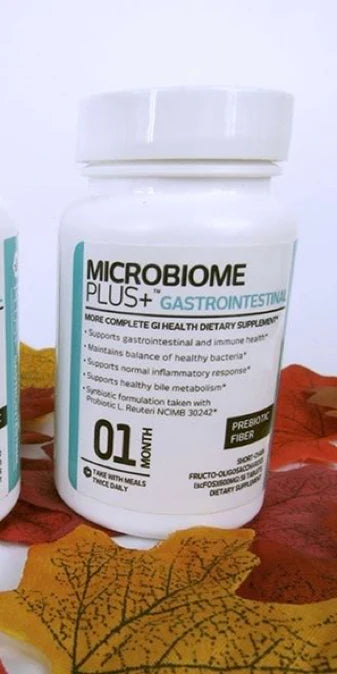
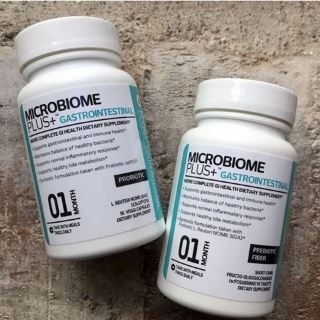
For example, formulations containing strains like Lactobacillus reuteri NCIMB 30242 have been explored in human clinical trials for supporting healthy cholesterol levels, as part of a broader lifestyle approach.
In addition, a gut-first heart health approach can support the absorption of certain supplements or maximize their benefits. This is what most supplements miss when focusing on nutrients in isolation.
In Conclusion
Cholesterol discussions often become polarized online, but modern cardiovascular prevention is moving toward something more nuanced: understanding risk in context.
LDL matters. But so do inflammation, genetics, metabolic health, lifestyle, and long-term exposure over time.
The goal isn’t to fear a single number. It’s to understand the broader patterns that shape heart health for the long run.
If you’re still wondering why LDL advice can seem so inconsistent, we go deeper into this topic in part two.
About Our Contributing Experts
Dr. On Chen, MD
Dr. On Chen is Co-Director of the Center for Advanced Lipid Management at the Stony Brook Heart Institute. Board-certified in Interventional Cardiology, Cardiovascular Disease, and Internal Medicine, Dr. Chen specializes in advanced lipid testing, cardiovascular prevention, and personalized cholesterol management. His work focuses on helping patients reduce cardiovascular risk through tailored diagnostic and treatment strategies.
Dr. Nathaniel E. Lebowitz, MD, FACC
Dr. Nathaniel Lebowitz is a preventive cardiologist and lipid specialist affiliated with Hackensack University Medical Center and serves as Assistant Professor of Internal Medicine at the Hackensack Meridian School of Medicine. He has contributed to the American Heart Association’s Lp(a) Discovery Project and was recognized with an AHA Lp(a) Leader Award for his work advancing research and awareness in cardiovascular risk prevention.
Dr. Austin Shuxiao, MD
Dr. Austin Shuxiao is a board-certified Internal Medicine physician based in New York City with clinical experience spanning the ICU, emergency medicine, ambulatory care, and inpatient medicine. He is also the founder of Peach IV, a mobile IV therapy company serving NYC. Dr. Shuxiao has contributed expert commentary on wellness trends, preventive health, and consumer-facing medical education.
Dr. Chad Larson, NMD, DC, CCN, CSCS
Dr. Chad Larson is a naturopathic physician, chiropractor, and certified clinical nutritionist specializing in integrative and functional medicine. His clinical approach combines advanced laboratory testing with personalized nutrition and lifestyle strategies to support long-term health. Dr. Larson’s work focuses on areas including endocrinology, sports medicine, chronic disease, and metabolic health.
About The Author

Ana Aleksic, MSc (Pharmacy)
Ana is an integrative pharmacist, scientist, and science communications specialist with many years of medical writing, clinical research, and health advising experience. She loves communicating science and empowering people to achieve their optimal health. Ana has edited 1000+ and written 500+ posts, some of which reached over 1 million people. She has also authored several ebooks and book chapters. Her specialties are dietary and herbal supplements, women’s health, probiotics, and human microbiome science. She is also a women's health coach and a strong advocate of bridging scientific knowledge with holistic medicine.
References:
Blumenthal, R. S., Morris, P. B., Gaudino, M., Johnson, H. M., Anderson, T. S., Bittner, V. A., Blankstein, R., Brewer, L. C., Cho, L., de Ferranti, S. D., Gianos, E., Gluckman, T. J., Gradney, K. F., Isiadinso, I., Lloyd-Jones, D. M., Marrs, J. C., Martin, S. S., McLain, K. H., Mehta, L. S., & Mora, S. (2026). 2026 ACC/AHA/AACVPR/ABC/ACPM/ADA/AGS/APhA/ASPC/NLA/PCNA Guideline on the Management of Dyslipidemia: A Report of the American College of Cardiology/American Heart Association Joint Committee on Clinical Practice Guidelines. Circulation. https://doi.org/10.1161/cir.0000000000001423
Bruggen, F. H. van, & Diamond, D. M. (2025). Is Targeting LDL-C Levels Below 70 mg/dL Beneficial for Cardiovascular and Overall Health? A Critical Examination of the Evidence. Journal of Clinical Medicine, 14(10), 3569. https://doi.org/10.3390/jcm14103569
Garcia, A. R., Finch, C., Gatz, M., Kraft, T., Eid Rodriguez, D., Cummings, D., Charifson, M., Buetow, K., Beheim, B. A., Allayee, H., Thomas, G. S., Stieglitz, J., Gurven, M. D., Kaplan, H., & Trumble, B. C. (2021). APOE4 is associated with elevated blood lipids and lower levels of innate immune biomarkers in a tropical Amerindian subsistence population. ELife, 10. https://doi.org/10.7554/elife.68231
Lee, Y.-J., Lee, S.-J., Kim, J. W., Lee, S.-H., Kim, G.-S., Park, J. H., Cho, J.-M., Kang, W. C., Yoon, H.-J., Kim, W. H., Lee, S.-J., Lee, J. B., Jang, J.-Y., Shin, S., Park, I. H., Kwon, S. U., Kim, S., Hong, S.-J., Ahn, C.-M., & Kim, J.-S. (2026). Intensive LDL Cholesterol Targeting in Atherosclerotic Cardiovascular Disease. New England Journal of Medicine. https://doi.org/10.1056/nejmoa2600283
Saadatagah, S., Jose, M., Dikilitas, O., Alhalabi, L., Miller, A. A., Fan, X., Olson, J. E., Kochan, D. C., Safarova, M., & Kullo, I. J. (2021). Genetic basis of hypercholesterolemia in adults. Npj Genomic Medicine, 6(1), 1–7. https://doi.org/10.1038/s41525-021-00190-z