
-
Lactobacillus Reuteri NCIMB 30242 | Microbiome Plus+
Heart Health Probiotic$48.99Regular priceUnit price per -
Probiotic Prebiotic for Heart Health & Bloating | Microbiome Plus+
L.reuteri NCIMB 30242 & scFOS Prebiotic$61.49Regular priceUnit price per -
CoQ10 Ubiquinone 200MG | Microbiome Plus+
Antioxidant, Energy & Heart Health$24.99Regular priceUnit price per -
Bone & Heart Support | Microbiome Plus+
Body Essentials For Health$17.99Regular priceUnit price per -
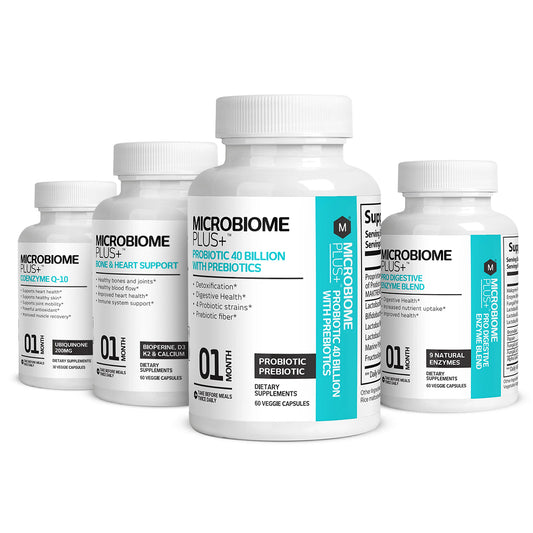
Super Heart Support Bundle | CoQ10 Probiotics Calcium D3 K2 & Enzyme Blend | Microbiome Plus+
Buy all 4 together now and save 20%!$69.57Regular priceUnit price per$86.96 USDSale price $69.57Sale -
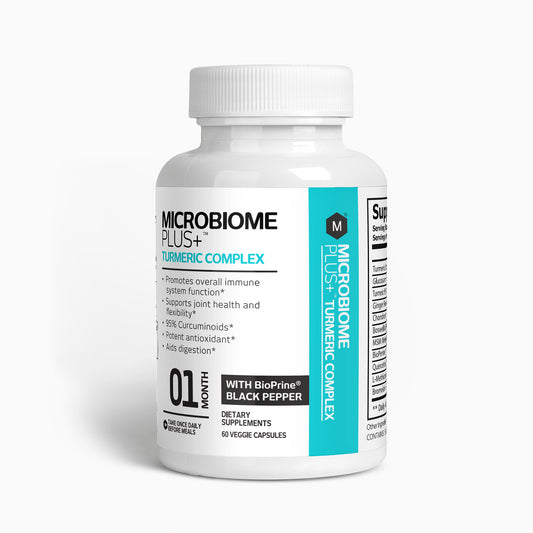
Turmeric Complex | Microbiome Plus+
Multifaceted Benefits$19.99Regular priceUnit price per

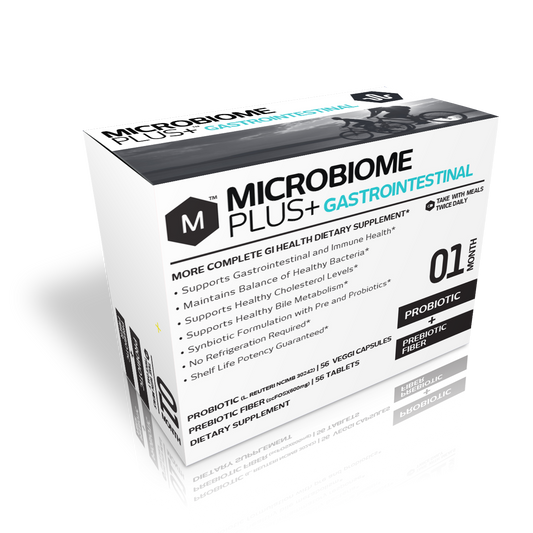
Collection: Best Supplements for Heart Health: A Gut Microbiome Approach
The way to the heart is through the gut, yet most supplements miss it. Without gut microbiome support, certain supplements may not get absorbed well, while others may even have unwanted effects. Our approach to heart health focuses on supplements that support both gut and heart health, including specific nutrients, vitamins, and targeted prebiotics and probiotics for cholesterol balance.
We’ll outline our gut-first approach and the best supplements for heart health from Microbiome Plus+. Formulated to support your gut microbiome first, because everything starts there.*
Recommended Supplements Recap
-
Start with probiotics (foundation)
Targeted strains like L. reuteri NCIMB 30242 support cholesterol metabolism, gut balance, and the gut–heart axis.* -
Add a prebiotic or switch to a synbiotic
Prebiotics help beneficial bacteria thrive, supporting nutrient absorption, SCFA production, and overall microbiome resilience.* -
Layer in CoQ10 for cellular energy
Supports mitochondrial function, antioxidant activity, and heart energy demands while also interacting with the gut microbiome.* -
Include vitamins D3 + K2 for metabolic and vascular support
These nutrients work together to support calcium balance, blood vessel health, and may influence gut microbiome composition.* -
Use polyphenol-rich herbs like turmeric for added support
Provides antioxidant and inflammatory balance support, with much of their activity happening through the gut.* -
Think synergy, not stacking
The goal isn’t more supplements, it’s choosing combinations that support your gut so your body can better absorb and use what you take.*
What Most Heart Health Supplements Miss

Most heart health supplements focus on nutrients like omega-3s, magnesium, and CoQ10 in isolation, but overlook how much of their impact runs through the gut.
The reality is that many of these compounds don’t act alone. Polyphenols, for example, are only partially absorbed. The rest interact with the gut microbiome, where they’re transformed into active compounds. The same goes for nutrients like vitamin D, K2, and CoQ10, which are increasingly being studied for their relationship with gut health (1–4).
When this connection is ignored, supplementation becomes less predictable. Absorption may vary, ingredients may not work synergistically, and in some cases, poorly formulated products can disrupt the gut environment. This is especially the case with products containing low-quality forms, additives, sweeteners, or excessive doses of certain compounds (5,6).
That’s why we believe in a gut-first approach to heart health.
Instead of stacking isolated ingredients, this approach focuses on supporting the microbiome environment to help optimize how nutrients are processed, activated, absorbed, and used. Because ultimately, it’s not just what you take—it’s how your body, and your gut, respond to it.
The Gut–Heart Axis: How Your Gut Microbiome Affects Your Heart Health
Your gut and your heart are in constant communication.
It’s called the gut–heart axis—a two-way connection between your gut microbiome and your cardiovascular system (7).
When your gut is out of balance, the effects don’t stay in your gut.
Some gut-derived metabolites, like lipopolysaccharides (LPS) and trimethylamine N-oxide (TMAO), have been linked to worse heart health outcomes. The main issue is that an imbalanced microbiome can weaken the gut barrier (often called “leaky gut”). In turn, these unwanted compounds pass into the bloodstream, where they can ramp up inflammation and insulin resistance (7,8).
Fortunately, the story isn’t one-sided.
When the gut is healthy and strong, it produces beneficial metabolites like short-chain fatty acids (SCFAs). These are known to support gut integrity, help regulate inflammation, and play a role in maintaining healthy blood vessels (7).
A healthy gut microbiome, particularly Lactobacillus strains, is also involved in maintaining normal cholesterol levels. Plus, gut bacteria can produce nutrients like vitamin K and support immunity, both of which are key for heart health (8).
In other words: supporting your gut isn’t separate from supporting your heart. It’s part of the same system.
The Power of Prebiotics and Probiotics for Heart Health
If the gut–heart axis is the connection, prebiotics and probiotics are how you support it.
Probiotics introduce beneficial bacteria, while prebiotics feed the ones already there.
Together, they work to restore a more balanced gut microbiome—one that’s often disrupted in people with heart disease. When that balance is in place, it can influence everything from gut barrier integrity, immunity, cholesterol levels, and oxidative stress (9,10).
With probiotics especially, strain specificity matters.
Different strains do different things, which is why it’s important to choose targeted, well-researched strains for heart health and cholesterol balance like our L. reuteri NCIMB 30242.
The Best Supplements for Heart Health from a Gut Microbiome Approach

Probiotics and Synbiotics: The Foundation
L. Reuteri NCIMB 30242
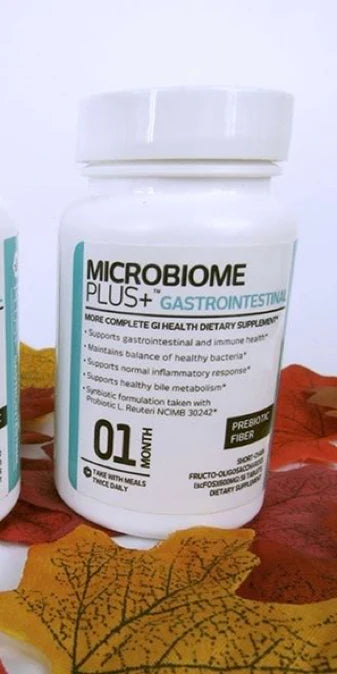
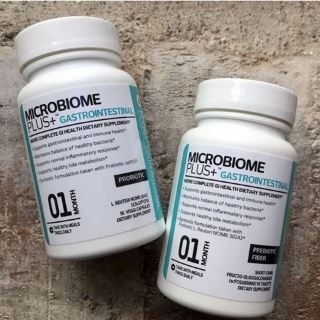
Microbiome Plus+ Lactobacillus reuteri NCIMB 30242 is our foundational probiotic for gut-first heart health, clinically studied and backed by multiple peer-reviewed trials.*
Shop:
Benefits:
- Supports heart health and healthy cholesterol already in the normal range*
- Supports already normal vitamin D levels*
- Backed by almost 200 5-star customer reviews*
Why It’s Different:
This is one of the most researched probiotic strains for heart health, with clinical studies showing meaningful support for normal cholesterol metabolism and key cardiovascular markers.*
In trials, L. reuteri NCIMB 30242 reduced LDL cholesterol by 9–11.6%, total cholesterol by 5–9%, and non-HDL cholesterol by 6–11% vs. placebo—while also improving markers like the LDL-C/HDL-C ratio and ApoB-100 (11,12).
It’s also the first probiotic shown to increase vitamin D levels in humans (+25.5%), alongside providing broader support for gut health, microbiome balance, and bile acid metabolism (13).
Best for: foundational gut and heart health support, especially for those focused on cholesterol balance.*
Probiotic with Prebiotic (Synbiotic)
Our L. reuteri NCIMB 30242 probiotic paired with a clinically studied prebiotic, designed for deeper, synergistic gut and heart health support.*
Shop:
Benefits:
- Supports healthy cholesterol and triglyceride levels already in the normal range**
- Supports lipid metabolism and nutrient absorption*
- Helps promote fullness and regularity*
- Backed by 200+ 5-star customer reviews*
**Based on preclinical studies.
Why It’s Different
This formula combines a targeted probiotic with short-chain fructooligosaccharides (scFOS), a well-studied prebiotic that helps beneficial bacteria grow and thrive.*
Often called a “probiotic booster,” scFOS supports the production of short-chain fatty acids (SCFAs), key metabolites involved in gut health, metabolic balance, and inflammation signaling. Together with L. reuteri NCIMB 30242, this creates a more complete synbiotic approach to supporting the gut–heart axis (14).*
Best for: those looking to go beyond probiotics alone and support the gut microbiome with a more complete synbiotic approach.*
Vitamins, Nutrients & Bioactives: Second Layer of Support
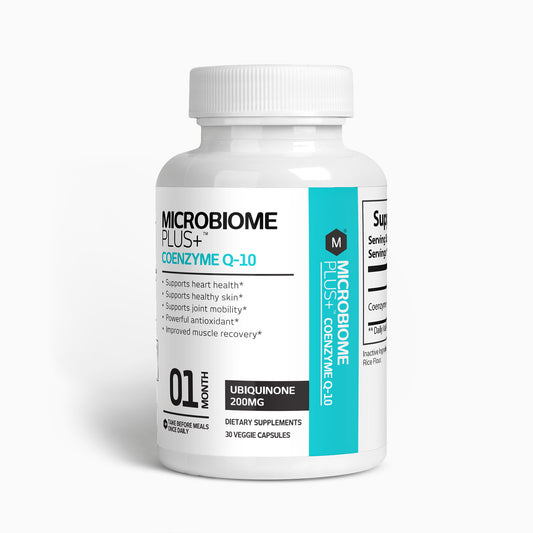
CoQ10 Ubiquinone
A foundational nutrient for cellular energy and heart function, formulated to support mitochondrial health, antioxidant balance, and the gut–heart connection.*
Shop:
Benefits:
- Supports heart and blood vessel health*
- Supports energy production and muscle recovery*
- Supports mitochondrial function*
- Provides antioxidant support*
- Supports gut microbiome balance*
Why It’s Different:
CoQ10 is essential for energy production in every cell, with especially high demand in the heart. Levels naturally decline with age and certain medications, making targeted supplementation a practical way to maintain optimal levels (15,16).
CoQ10 has been extensively studied for its heart health benefits, specifically the ubiquinone form found in our blend. It is also a powerful antioxidant and can regenerate vitamins C and E into their active forms (17).
Beyond its well-known role in heart and mitochondrial health, CoQ10 also shows emerging benefits for the gut microbiome. Preclinical research suggests it may help increase beneficial bacteria like Lactobacillus and support the production of compounds like butyrate—helping reinforce gut barrier integrity and metabolic balance (2,18).
Best for: adding a second layer of support to probiotics, targeting energy, antioxidant balance, and the gut–heart axis.*
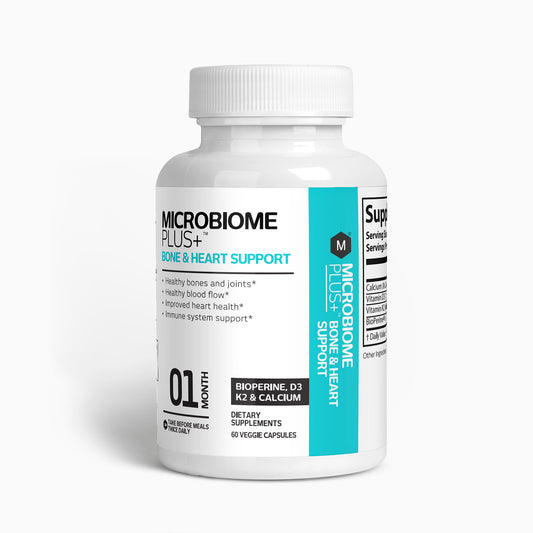
Bone & Heart Support (Calcium D3 K2)
A targeted blend of vitamin K2 (MK-7), vitamin D3, calcium, and BioPerine®. Designed to support bone strength, cardiovascular health, and nutrient absorption.*
Shop:
Benefits:
- Supports calcium absorption and proper utilization*
- Supports bone, joint, and muscle health*
- Supports heart and blood vessel function and healthy blood flow*
- Supports immune function and energy levels*
- Supports gut microbiome balance*
Why It’s Different:
This formula brings together nutrients that work as a system: vitamin D3 helps increase calcium absorption and vitamin K2 (MK-7) helps direct calcium to the bones, supporting both skeletal and cardiovascular health.*
Beyond their traditional roles, emerging research suggests vitamins D3 and K2 may also influence the gut microbiome. Vitamin K2 has been linked to increased production of beneficial short-chain fatty acids, while vitamin D3 may support beneficial bacteria like Bifidobacterium and Lactobacillus (3,4).
Best for: adding foundational nutrient support alongside probiotics, helping support calcium balance, vascular health, and the gut–heart axis.*
Turmeric Complex
A high-potency blend of turmeric (95% curcuminoids) with BioPerine®, ginger, Boswellia, and MSM. Designed for antioxidant support, inflammatory balance, and gut–heart health.*
Shop:
Benefits:
- Provides antioxidant support*
- Supports a healthy inflammatory response*
- Supports liver, gut, and heart health*
- Supports gut microbiome balance*
Why It’s Different
Turmeric is widely studied for its role in supporting heart health and a balanced inflammatory response. While this formula is optimized for absorption and broader anti-inflammatory support, much of turmeric’s activity happens in the gut, where its polyphenols interact with the microbiome.*
Not all curcumin is absorbed. A significant portion remains in the gut, where it can help support beneficial bacteria and be converted into additional bioactive compounds (19,20). This makes turmeric a unique bridge between antioxidant support and microbiome health.*
Best for: adding antioxidant and inflammatory balance support while reinforcing the gut–heart connection.*
Other
Other supplements that may support heart health include:
- Omega 3 fatty acids/fish oil
- Polyphenols like resveratrol and EGCG
- Magnesium (glycinate, taurate, and orotate forms)
The Takeaway
If you’re looking for a gut-first approach to heart health, start with targeted probiotics and synbiotics. These foundational formulas are designed to support a balanced gut microbiome, an important part of the gut–heart connection.*
You can choose L. reuteri NCIMB 30242 on its own, or pair it with a prebiotic in our Synbiotic Combo. Both are clinically studied and formulated without unnecessary additives like emulsifiers, artificial dyes, or sweeteners that may disrupt gut balance.*
From there, additional support can come from nutrients like CoQ10, vitamins K2/D3, and turmeric. Each offers a different layer of metabolic, antioxidant, and cardiovascular support.*
For a complete routine, the Super Heart Support Bundle combines probiotics, CoQ10, calcium D3 K2, and enzymes in one formula.*
Backed by research and thousands of customers, Microbiome Plus+ offers a simple way to support long-term gut and heart health, starting where it matters most.*
FAQs
What is the best supplement to take for heart health?
The most commonly recommended supplement for heart health is omega-3 fatty acids (fish oil). It’s followed by CoQ10 and magnesium. However, we believe that specific probiotics like L. reuteri NCIMB 30242 deserve more attention due to their targeted action on cholesterol balance, heart health, and gut—heart axis support.
What probiotics do cardiologists recommend?
Cardiologists may recommend specific probiotics on an individual basis. L. reuteri NCIMB 30242 is mentioned among them as a clinically backed strain for cholesterol and heart support, sometimes along other Bifidobacterium lactis, Lactobacillus plantarum, and Lactobacillus rhamnosus strains.
Do cardiologists recommend supplements?
Cardiologists generally recommend a "food-first" approach for heart health. Depending on their expertise and approach, some may recommend specific supplements and probiotics.
Nutrients like vitamin D, omega-3s, and CoQ10 may be recommended to address deficiencies, statin-related side effects, or specific conditions. Probiotics like L. reuteri NCIMB 30242 may also be recommended by some, with special precautions in heart patients with weak immune systems.
If you’re interested in taking supplements for heart health, talk to your cardiologist to discuss your options and reduce the risk of medication or disease interactions.
What is the number one vitamin for the heart?
No single vitamin is officially labeled "number one" for heart health. B vitamins (specifically B6, B9/folic acid, and B12) are top contenders for supporting healthy homocysteine levels, vitamin D3 is important for addressing deficiency, and vitamin K2 may be used alongside vitamin D3 for improved absorption and added heart support.
Does CoQ10 strengthen the heart?
CoQ10 supports cellular energy production, and some studies link it to improved heart strength and exercise capacity in heart disease patients. However, CoQ10 is a supplement, not a drug, so it may be used alongside standard therapy when recommended (21).
What is the best supplement to clean arteries?
Supplements mentioned for "cleaning" arteries essentially support the body in clearing arteries by supporting a normal anti-inflammatory response and normal cholesterol balance. Some mentioned options include vitamin K2 (MK-7) and vitamin D3 (both found in our Bone and Heart Blend), nathokinase, and omega-3s.
What is the fastest way to improve heart health?
There is no quick fix to improving heart health. What’s often needed are gradual and consistent lifestyle and diet changes. Some of the best things you can do right now are to start engaging in high-intensity aerobic exercise, adopt a DASH or Mediterranean diet, and stop smoking if you are a smoker. Be sure to regularly track blood pressure and cholesterol levels, as maintaining these in a healthy range is crucial for heart longevity.
Supplements can be an additional layer of support, especially those targeting both gut microbiome and heart balance.
What flushes cholesterol out of your body?
Soluble fiber binds to cholesterol and bile acids in the gut, helping to flush them out with the stool. Probiotics like L. reuteri NCIMB 30242 also support reduced cholesterol absorption in the gut, helping to additionally support flushing cholesterol out of your body while balancing the gut microbiome.
What are the natural alternatives to statins?
Supplements that claim to be natural alternatives to statins may act by supporting reduced cholesterol absorption or production in the body. However, it’s important to remember that supplements don’t act like drugs: they don’t modify a disease state but help support normal, healthy processes in the body.
Some supplements that support healthy cholesterol metabolism in the body include:
- L. reuteri NCIMB 30242, which may support healthy cholesterol elimination in the gut, particularly suitable for those who are genetically prone to absorbing more cholesterol (cholesterol hyperabsorbers).
- Prebiotic fiber, particularly soluble fiber like psyllium husk and oat bran, which bind to cholesterol in the gut and reduce absorption
- Red Yeast Rice (RYR), which contains monacolin K, although caution is recommended as the side effect profile is similar to statins
- Plant sterols, which are commonly recommended but may also have side effects that are rarely discussed
Should I take plant sterols for heart health?
Plant sterols are commonly recommended for heart health. While they may work for some people, recent research suggests that some caution is needed. These plant fats are often recommended as a “safe” health supplement or fortified food ingredient to people with high cholesterol. Yet, most international guidelines on plant sterols were put in place without valid scientific evidence.
Several experts have cautioned about the dangers of mass food fortification with plant sterols, including leading cardiologists. Consult a healthcare provider and do your research before taking plant sterols for heart health to decide what’s best for you.
References
1. Plamada D, Vodnar DC. Polyphenols—Gut Microbiota Interrelationship: A Transition to a New Generation of Prebiotics. Nutrients. 2022;14(1):137. doi:https://doi.org/10.3390/nu14010137
2. Liang Y, Han Y, Xiao L, et al. Coenzyme Q10 modulates the immunity by enhancing mononuclear macrophage, NK cell activity, and regulating gut microbiota. Frontiers in Nutrition. 2025;12. doi:https://doi.org/10.3389/fnut.2025.1504831
3. Zhang Y, Liu L, Wei C, et al. Vitamin K2 supplementation improves impaired glycemic homeostasis and insulin sensitivity for type 2 diabetes through gut microbiome and fecal metabolites. BMC Med. 2023;21(1):174-174. doi:https://doi.org/10.1186/s12916-023-02880-0
4. Zeb F, Osaili T, Hashim M, et al. Effect of Vitamin D Supplementation on Human Gut Microbiota: A Systematic Review of Randomized Controlled Trials. Nutrition Reviews. Published online July 17, 2025. doi:https://doi.org/10.1093/nutrit/nuaf120
5. Golonka RM, Yeoh BS, Vijay-Kumar M. Dietary Additives and Supplements Revisited: the Fewer, the Safer for Gut and Liver Health. Current Pharmacology Reports. 2019;5(4):303-316. doi:https://doi.org/10.1007/s40495-019-00187-4
6. Hrncir T. Gut Microbiota Dysbiosis: Triggers, Consequences, Diagnostic and Therapeutic Options. Microorganisms. 2022;10(3):578. doi:https://doi.org/10.3390/microorganisms10030578
7. Rivera K, Gonzalez L, Bravo L, Manjarres L, Andia ME. The Gut–Heart Axis: Molecular Perspectives and Implications for Myocardial Infarction. International Journal of Molecular Sciences. 2024;25(22):12465-12465. doi:https://doi.org/10.3390/ijms252212465
8. Shams L. Gut Microbiome and Cardiovascular Health: Mechanisms, Therapeutic Potential and Future Directions. Published November 2025. https://touchcardio.com/cardiovascular-disease/journal-articles/gut-microbiome-and-cardiovascular-health-mechanisms-therapeutic-potential-and-future-directions/
9. Olas B. Probiotics, Prebiotics and Synbiotics—A Promising Strategy in Prevention and Treatment of Cardiovascular Diseases? International Journal of Molecular Sciences. 2020;21(24):9737. doi:https://doi.org/10.3390/ijms21249737
10. Romero M, Duarte J. Probiotics and Prebiotics in Cardiovascular Diseases. Nutrients. 2023;15(17):3686-3686. doi:https://doi.org/10.3390/nu15173686
11. Jones ML, Martoni CJ, Parent M, Prakash S. Cholesterol-lowering efficacy of a microencapsulated bile salt hydrolase-activeLactobacillus reuteriNCIMB 30242 yoghurt formulation in hypercholesterolaemic adults. British Journal of Nutrition. 2011;107(10):1505-1513. doi:https://doi.org/10.1017/s0007114511004703
12. Jones ML, Martoni CJ, Prakash S. Cholesterol lowering and inhibition of sterol absorption by Lactobacillus reuteri NCIMB 30242: a randomized controlled trial. European Journal of Clinical Nutrition. 2012;66(11):1234-1241. doi:https://doi.org/10.1038/ejcn.2012.126
13. Jones ML, Martoni CJ, Prakash S. Oral Supplementation With ProbioticL. reuteriNCIMB 30242 Increases Mean Circulating 25-Hydroxyvitamin D: A Post Hoc Analysis of a Randomized Controlled Trial. The Journal of Clinical Endocrinology & Metabolism. 2013;98(7):2944-2951. doi:https://doi.org/10.1210/jc.2012-4262
14. Dias GS, Vieira AC, Baioni G, et al. Fructooligosaccharides: A Comprehensive Review on Their Microbial Source, Functional Benefits, Production Technology, and Market Prospects. Processes. 2025;13(4):1252-1252. doi:https://doi.org/10.3390/pr13041252
15. Sood B, Keenaghan M. Coenzyme Q10. Nih.gov. Published January 30, 2024. https://www.ncbi.nlm.nih.gov/books/NBK531491/
16. Amin Gasmi, Geir Bjørklund, Pavan Kumar Mujawdiya, Yuliya Semenova, Piscopo S, Massimiliano Peana. Coenzyme Q10 in aging and disease. Critical reviews in food science and nutrition. 2022;64(12):3907-3919. doi:https://doi.org/10.1080/10408398.2022.2137724
17. Fladerer JP, Grollitsch S. Comparison of Coenzyme Q10 (Ubiquinone) and Reduced Coenzyme Q10 (Ubiquinol) as Supplement to Prevent Cardiovascular Disease and Reduce Cardiovascular Mortality. Current Cardiology Reports. 2023;25(12):1759-1767. doi:https://doi.org/10.1007/s11886-023-01992-6
18. Ivanova AYu, Shirokov IV, Toshchakov SV, et al. Effects of Coenzyme Q10 on the Biomarkers (Hydrogen, Methane, SCFA and TMA) and Composition of the Gut Microbiome in Rats. Pharmaceuticals. 2023;16(5):686-686. doi:https://doi.org/10.3390/ph16050686
19. Enayati A, Soghi A, Butler AE, Rizzo M, Sahebkar A. The Effect of Curcumin on the Gut-Brain Axis: Therapeutic Implications. Journal of neurogastroenterology and motility. 2023;29(4):409-418. doi:https://doi.org/10.5056/jnm23065
20. Scazzocchio B, Minghetti L, D’Archivio M. Interaction between Gut Microbiota and Curcumin: A New Key of Understanding for the Health Effects of Curcumin. Nutrients. 2020;12(9):2499. doi:https://doi.org/10.3390/nu12092499
21. Zozina VI, Covantev S, Goroshko OA, Krasnykh LM, Kukes VG. Coenzyme Q10 in Cardiovascular and Metabolic Diseases: Current State of the Problem. Current Cardiology Reviews. 2018;14(3):164-174. doi:https://doi.org/10.2174/1573403X14666180416115428
*These statements have not been evaluated by the Food and Drug Administration. This product is not intended to diagnose, treat, cure or prevent any disease.
Disclaimer: This page is for informational purposes only and is not meant to provide any medical advice. Please talk to your doctor about your health concerns and consult them before taking any supplements or making changes to your supplement regime.
Written by Ana Aleksic, MSc (Pharmacy)
Ana is an integrative pharmacist, scientist, and herbalist with many years of medical writing, clinical research, and health advising experience. She loves communicating science and empowering people to achieve their optimal health. Ana has edited 1000+ and written 500+ posts, some of which reached over 1 million people. She has also authored several ebooks and book chapters. Her specialties are dietary and herbal supplements, women’s health, and human microbiome science. She is also a women's health coach and a strong advocate of bridging scientific knowledge with holistic medicine.