We don’t question whether bones or muscles need nutrients. Brain health shouldn’t be any different. Find out what your brain really needs to stay sharp and which supplement ingredients work based on the science, with our top picks featured.
Microbiome Plus+ is a leader in science-backed probiotics and dietary supplements for gut health, heart health, and overall wellness. Several of our vitamin, herbal, and probiotic formulas support brain health and cognition with clinically supported, non-GMO, and sustainably sourced ingredients.*
Do “Brain Supplements” Actually Work?
Short answer: sometimes, for the right person, in the right context, with the right formulation.
Your brain has high metabolic demands. It uses roughly 20% of your energy, although it accounts for only about 2% of your body weight (1).
Your brain needs a steady supply of nutrients to function normally. While diet and lifestyle remain foundational for brain health, the real question is not whether nutrients matter, but whether supplements add value beyond food.
On one end are claims that brain supplements are a waste of money. On the other are promises of instant clarity, memory upgrades, and effortless focus. Neither position reflects the evidence. The reality sits in between and depends on three key variables:
- Your individual needs and baseline nutrient status
- Supplement ingredient quality, form, and dose
- The strength and relevance of clinical research backing the supplement
When Supplements May Make Sense
Most people can meet their nutrient needs through a varied, well-balanced diet. But not everyone does, and not everyone can.
Your nutrient status will vary based on your diet, gut microbiome, absorption, genetics, age, stress load, sleep quality, and sun exposure, with vitamin D being a common example. In certain cases, targeted supplementation may help support aspects of cognition such as focus, memory, or mental energy (2).
Certain vitamins, minerals, amino acids, and herbal extracts have been studied for their roles in supporting healthy nutrient levels, maintaining cerebral blood flow, and contributing to normal inflammatory and oxidative responses (2).
Used appropriately, these supplements are best viewed as additions to diet and lifestyle rather than replacements.
What the Research Shows
Many ingredients used in brain health supplements have been evaluated in clinical trials. For generally healthy adults or those with mild, occasional cognitive concerns, the research suggests supplements may offer benefits (2,3).
Important limitations to keep in mind:
-
Responses vary. What works for one person may do little for another.
-
Effects are often subtle. Improvements in focus or memory can be subjective and difficult to self-measure.
-
Time matters. Many ingredients require consistent use over weeks, not days.
-
Data can be mixed. One trial may show benefit while another may not. Many studies are short-term and lack follow-up.
There is also a research gap. Few trials focus on healthy, working-age adults seeking cognitive optimization rather than treatment. Interest in brain supplements spans all ages, but the science has not fully caught up.
Where Supplements Do Not Belong
The issue is when supplements are positioned as treatments for disease. Dietary supplements are not intended to diagnose, treat, cure, or prevent medical conditions, and they should never replace appropriate medical care.
In some cases, supplements may be used alongside conventional treatment, but this should always involve a healthcare professional to manage safety and potential interactions.
The Bottom Line
Brain supplements are not magic, and they are not meaningless. For the right person, they may provide targeted support. For others, they may offer little noticeable change.
The most evidence-aligned approach involves:
- Knowing your baseline
- Understanding the ingredients
- Setting appropriate expectations
- Giving supplements enough time
When in doubt, consult a qualified healthcare provider before starting any new supplement.
Brain Health Supplements: What Works?
There’s no single nutrient that guarantees better brain function.
What research does show is that nutrient needs and absorption change with age, medication use, lifestyle, and sun exposure. That’s why supplements may play a supporting role, especially when dietary gaps exist.*
Below are supplement ingredients with the strongest research for helping to support and maintain healthy brain function over time.*
Key Ingredients and Featured Formulas
Vitamin D
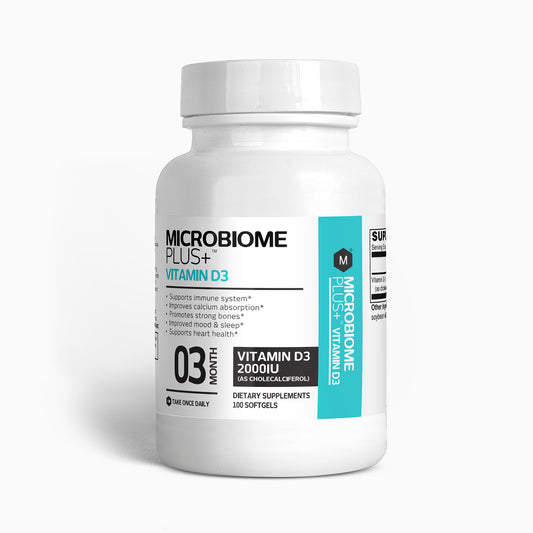
Vitamin D supports normal brain processes involved in memory, focus, and mood. Low levels are common, particularly in people with limited sun exposure. Research highlights that supplementation is most helpful for those who are deficient (2).
Although the official NIH guidelines still recommend 600–800 IU/day for most adults, new scientific research suggests that most people may benefit from 2000 IU/day of vitamin D3. A daily dose of 4000–6000 IU may offer even greater health protection for some people, but future guidelines have yet to assess and integrate these findings (4,5).
Microbiome Plus+ Solutions:
Microbiome Plus+ provides a high dose of bioactive vitamin D3 in easy-to-take softgels.*
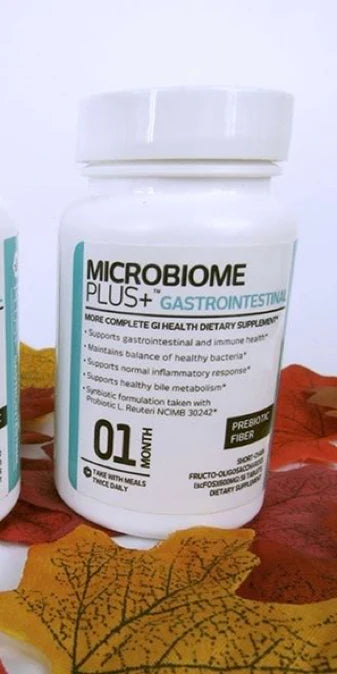
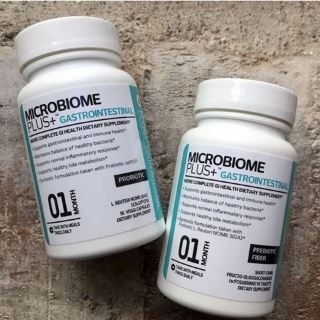
Our L. Reuteri NCIMB probiotic has also been through clinical trials for supporting vitamin D levels, so it’s great to pair with a vitamin D supplement if you’re deficient.*
Polyphenols
These plant compounds support antioxidant and anti-inflammatory pathways. Curcumin and resveratrol are studied for healthy brain aging, while anthocyanins from berries are linked to memory and brain signaling (2).
Microbiome Plus+ Solutions:
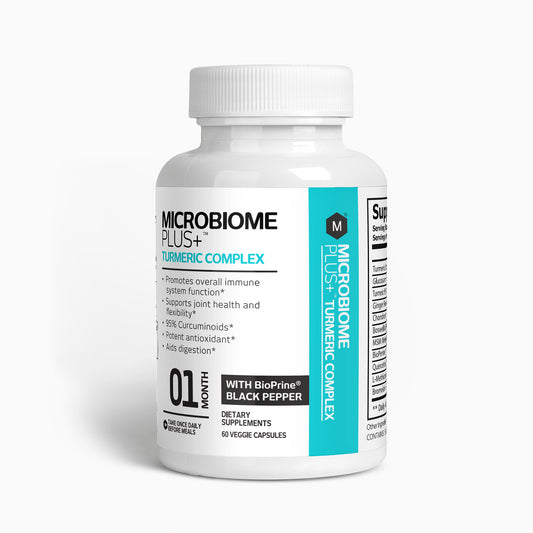
Our Turmeric Complex is a specialized supplement that combines the power of turmeric's active compound, curcumin, with other synergistic ingredients.*
Herbal Extracts
Herbs like bacopa, ashwagandha, ginkgo, ginseng, and green tea have been studied for supporting focus, memory, the stress response, and cerebral blood flow (6,7).
These herbs have also been used in holistic systems of medicine like Traditional Chinese Medicine (TCM) and Ayurveda for millenia.
Microbiome Plus+ Solutions
Our premium blend contains 41 science-backed herbal extracts, amino acids, and micronutrients formulated to improve brain health, focus, and memory (including Bacopa, Green Tea, Licorice Root, DMAE, GABA, DHA, B vitamins, inositol, and choline).*
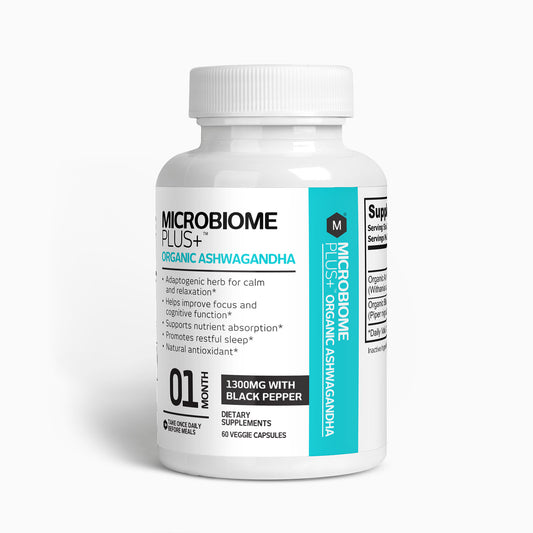
Our organic ashwagandha is best suited for people who struggle with stress and sleep. Ashwagandha helps the body adapt to stress, supporting cognitive and brain health.*
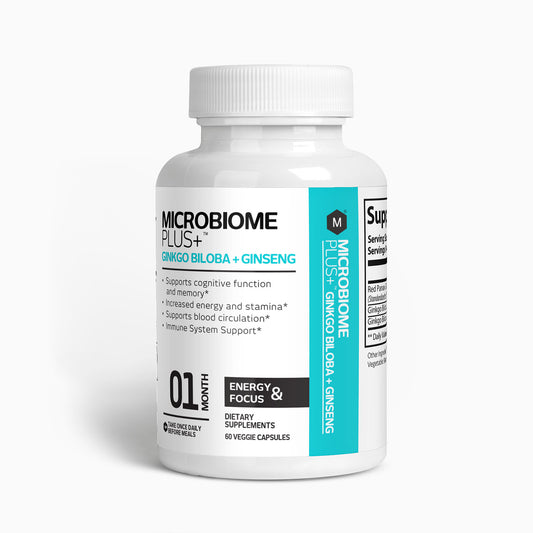
For people who need a natural energy boost, our Ginkgo Biloba + Ginseng blend helps support overall brain health, memory, mental performance, and stamina.*
CoQ10
CoQ10 is an antioxidant that supports healthy aging and a normal anti-inflammatory response. It plays a key role in energy production and mitochondrial health, which are vital for brain health and cognition (8).
A 2025 review of animal and human studies found that there is some evidence to suggest that CoQ10 can have benefits for cognition and brain biology (9).
Microbiome Plus+ Solutions:
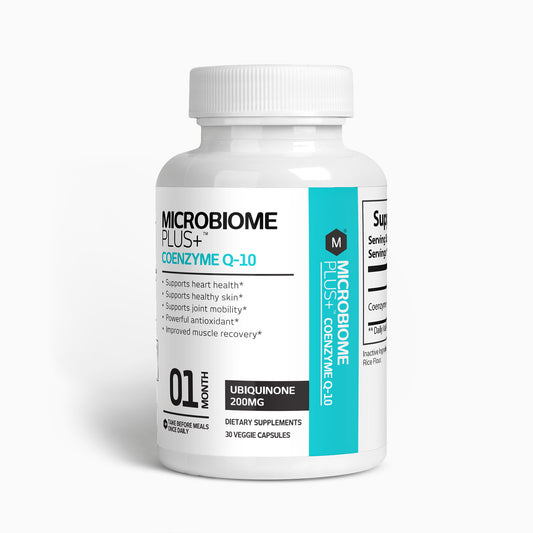
Our CoQ10 supplement packs 200mg ubiquinone per capsule for maximum benefits.*
Probiotics
Gut health can directly impact brain health via the gut-brain axis. Prebiotics and probiotics can help reestablish a balance, supporting both the gut and brain (10).
Microbiome Plus+ Solutions:
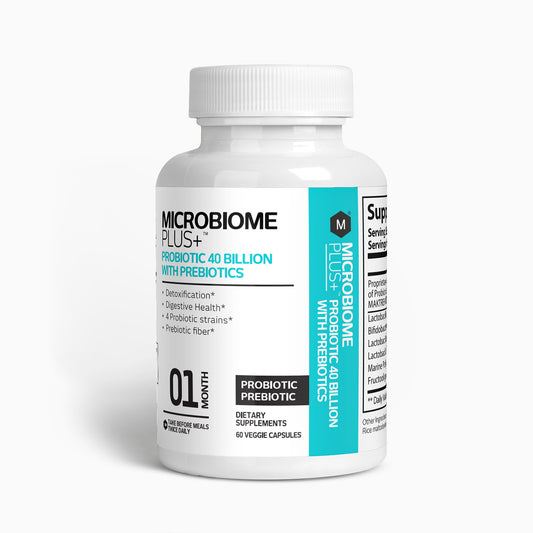
Our advanced strength probiotic blend contains 40 billion CFUs per serving, including Lactobacillus Paracasei (Lpc-37), a strain that has been researched for reducing feelings of chronic stress and anxiety and contributing to better sleep (11).*
Minerals
Minerals such as calcium, magnesium, zinc, iron, selenium, and copper are essential for brain signaling and cellular protection. Even mild deficiencies can affect cognitive performance (2).
Microbiome Plus+ Solutions:
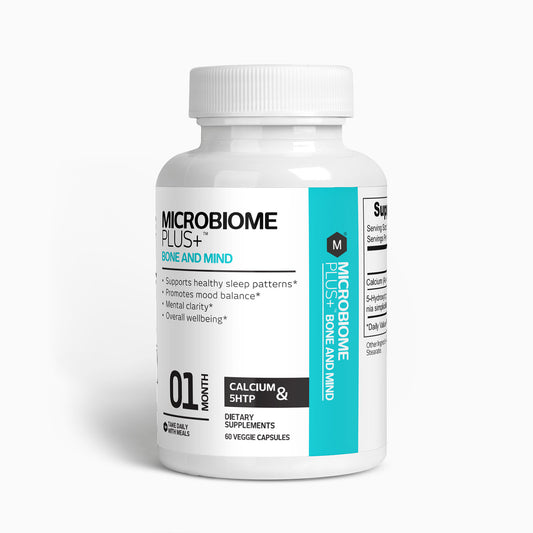
Suitable for menopausal women and people with higher calcium demands, our Bone & Mind formula contains calcium and 5-HTP, a precursor to melatonin and serotonin. 5-HTP supports emotional well-being, relaxation, and healthy sleep patterns.*
Vitamin K
Healthy vitamin K levels have been linked to better memory performance in older adults. Research is ongoing, but early findings suggest a role in protecting brain cells during aging (2).
Microbiome Plus+ Solutions:
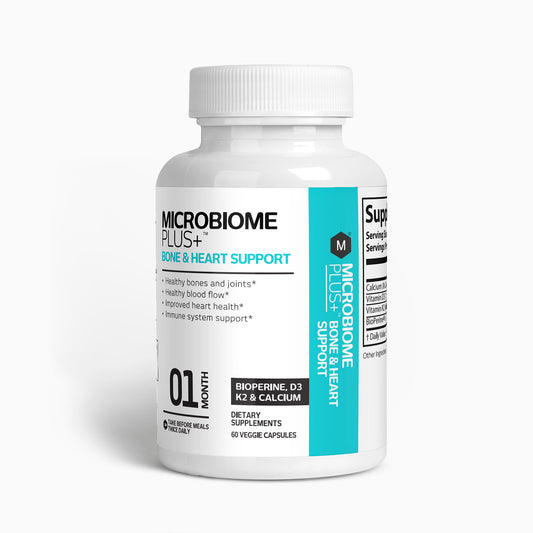
Our Bone & Heart Support supplement with calcium, vitamin K2, and vitamin D3 is formulated to support healthy blood flow and provide optimal absorption. Suitable for people with higher calcium and vitamin D demands.*
Mushrooms
Certain mushrooms, especially lion’s mane, are studied for supporting nerve health and brain cell communication. They can be consumed in the diet or as supplements (12,13).
An 18-year European study found that regular mushroom consumption to be beneficial for cognitive function during aging. Mushroom consumers had better cognitive performance than non-consumers across multiple cognitive domains, with those eating one or more portions per week scoring highest (14).
Microbiome Plus+ Solutions:
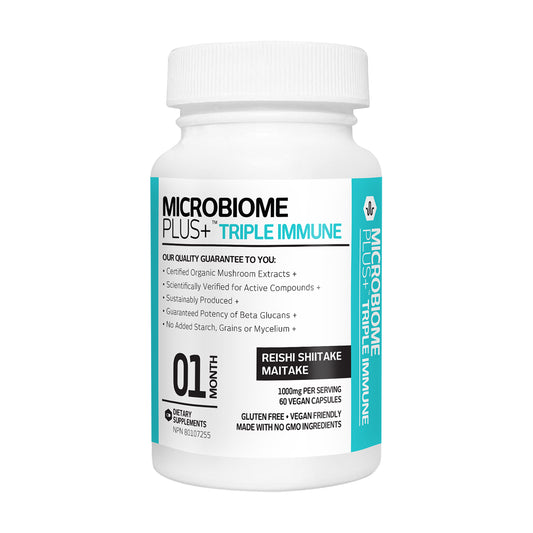
Microbiome Plus+ Triple Immune contains three carefully chosen medicinal mushrooms that support gut, immune, and brain health. The blend also supports nutrient absorption and is perfect to pair with our other vitamin supplements.*
Other Nutrients
The following nutrients may also support brain health and cognition (2):
- Omega-3 fatty acids
- B vitamins
- Vitamin C and Vitamin E
The Takeaway
Brain health supplements work best when they address real nutritional gaps and health goals. The most effective approach is targeted, consistent, and paired with diet, movement, sleep, and mental engagement.
How to Choose the Best Brain Supplement for You
There’s no one-size-fits-all approach to brain health supplements. What works best depends on your needs.
Here are some factors to consider (2):
-
Older adults and those with gut issues may need more vitamin B12, calcium, and vitamin D due to reduced absorption. They may also benefit from probiotics, which support gut health and nutrient absorption.
-
Men and women have different nutrient needs. Women may require more iron during their reproductive years, while postmenopausal women often need more calcium and vitamin D.
-
Lifestyle factors such as smoking, alcohol use, or chronic stress can increase the body’s demand for nutrients like vitamin C and B vitamins. Adaptogens and medicinal mushrooms can also help the body better cope with stress.
-
Physical activity raises nutrient turnover and oxidative stress, which may increase the need for certain minerals and antioxidants.
-
Season and sun exposure affect vitamin D status, with higher needs during winter or in people who spend little time outdoors. It’s ideal to test your vitamin D levels to know your status before supplementing.
-
Dietary patterns matter. Vegetarians and vegans may need to pay closer attention to nutrients like vitamin B12, iron, and omega-3s that are less abundant in plant-based diets. On the other hand, people on a predominantly meat diet may lack fiber and plant antioxidants.
Just as important, more is not always better. Taking excessive amounts of certain supplements can be harmful, which is why matching the dose to your individual needs matters.
How to choose:
- Look for products with clinically studied ingredients and dosages.
- Prioritize quality, purity, and third-party testing.
- Consider a healthcare consult or nutrient testing to tailor supplementation.
The most effective supplement strategy is targeted and informed, ideally based on diet, lifestyle, and, when appropriate, lab testing or guidance from a healthcare professional.
FAQs
What is the best brain health supplement?
There is no single best brain health supplement for everyone. The most effective option depends on your individual needs, diet, age, and lifestyle.
Research most often supports nutrients like omega-3 fatty acids, vitamin D, B vitamins, antioxidants, and certain plant extracts for maintaining normal brain function, especially when deficiencies or dietary gaps exist (2).
What supplement can really improve brain health?
No supplement can guarantee improved brain health for everyone.
The supplements most likely to help are those that correct a specific deficiency or support an identified need, rather than “boost” the brain universally.
The best brain supplement is one that is targeted, evidence-based, and matched to your specific needs, rather than a one-size-fits-all formula.
Does the brain need cholesterol?
Yes. The brain needs cholesterol to function normally. It makes up about 20–25% of the body’s total cholesterol and is essential for building brain cells and supporting communication between neurons.
However, balance matters. While the brain produces most of its own cholesterol, excess cholesterol in the body, especially when linked to poor metabolic health, has been associated with increased risk of cognitive decline. The goal is maintaining healthy cholesterol balance (15,16).
What vitamin cuts dementia risk by 40%?
One large study of 12,388 participants published in Alzheimer’s & Dementia in 2023 found that individuals exposed to vitamin D supplementation had a 40% lower dementia incidence compared to those who did not take it (17).
Risk reduction was even greater in some groups:
-
Females: Females benefited more (49% reduction) compared to males (26%).
-
Normal Cognition: Individuals with normal baseline cognition saw a 56% reduction, while those with existing mild cognitive impairment (MCI) saw a 33% reduction.
-
APOE ε4 Non-Carriers: Those without the APOE ε4 genetic risk factor experienced a 47% reduction, compared to 33% for carriers.
-
Non-depressed individuals experienced greater benefits (42% reduction) compared to those with depression (31% reduction).
In addition, a 2025 community-based study followed 4171 individuals for over 15 years and found that the highest dietary intake of riboflavin (vitamin B2) was linked to a 49% lower risk of disabling dementia (18).
What vitamin can fix brain fog?
There’s no single vitamin that will fix brain fog, but B vitamins help support cognitive function. Vitamin D may also help, especially in people who are deficient (19,20).
In some cases, improving brain fog may take addressing brain inflammation or other contributing factors.
What is the fastest way to improve brain function?
The fastest ways to improve brain function may be exercise. Exercise increases blood flow, ensuring more oxygen and nutrients reach the brain. Exercising regularly will help sustain the benefits. For example, in one study, one-year progressive, moderate-to-vigorous aerobic exercise training increased brain blood flow, memory, and cognition in older adults (21).
Getting enough quality sleep, eating healthy, and engaging in mental challenges are also important.
When it comes to supplements, most take time to work. Some people may feel a burst of energy from herbal supplements like ginkgo and ginseng after a couple of days, but this is individual.
References:
1. Butterworth RF. Brain Energy Metabolism. In: Siegel GJ, Agranoff BW, Albers RW, et al., editors. Basic Neurochemistry: Molecular, Cellular and Medical Aspects. 6th edition. Philadelphia: Lippincott-Raven; 1999. Available from: https://www.ncbi.nlm.nih.gov/books/NBK28124/
2. Hersant H, He S, Maliha P, Grossberg G. Over the Counter Supplements for Memory: A Review of Available Evidence. CNS Drugs. 2023;37(9):797-817. doi:10.1007/s40263-023-01031-6
3. Reza-Zaldívar EE, Jacobo-Velázquez DA. Comprehensive Review of Nutraceuticals against Cognitive Decline Associated with Alzheimer's Disease. ACS Omega. 2023;8(39):35499-35522. Published 2023 Sep 20. doi:10.1021/acsomega.3c04855
4. National Institutes of Health. Vitamin D. National Institutes of Health. Published 2025. https://ods.od.nih.gov/factsheets/VitaminD-HealthProfessional/
5. Grant WB, Wimalawansa SJ, Pludowski P, Cheng RZ. Vitamin D: Evidence-Based Health Benefits and Recommendations for Population Guidelines. Nutrients. 2025;17(2):277. Published 2025 Jan 14. doi:10.3390/nu17020277
6. Halder S, Anand U, Nandy S, et al. Herbal drugs and natural bioactive products as potential therapeutics: A review on pro-cognitives and brain boosters perspectives. Saudi Pharm J. 2021;29(8):879-907. doi:10.1016/j.jsps.2021.07.003
7. Duarte GM, de Araújo FEA, da Rocha JMC, et al. Neuroprotective Potential of Seed Extracts: Review of In Vitro and In Vivo Studies. Nutrients. 2023;15(11):2502. Published 2023 May 27. doi:10.3390/nu15112502
8. Bagheri S, Haddadi R, Saki S, et al. Neuroprotective effects of coenzyme Q10 on neurological diseases: a review article. Front Neurosci. 2023;17:1188839. Published 2023 Jun 23. doi:10.3389/fnins.2023.1188839
9. Nankivell MC, Rosenfeldt F, Pipingas A, Pase MP, Reddan JM, Stough C. Coenzyme Q10 and Cognition: A Review. Nutrients. 2025;17(17):2896. Published 2025 Sep 8. doi:10.3390/nu17172896
10. Kumar A, Sivamaruthi BS, Dey S, et al. Probiotics as modulators of gut-brain axis for cognitive development. Front Pharmacol. 2024;15:1348297. Published 2024 Feb 20. doi:10.3389/fphar.2024.1348297
11. Patterson E, Griffin SM, Ibarra A, Ellsiepen E, Hellhammer J. Lacticaseibacillus paracasei Lpc-37® improves psychological and physiological markers of stress and anxiety in healthy adults: a randomized, double-blind, placebo-controlled and parallel clinical trial (the Sisu study). Neurobiol Stress. 2020;13:100277. Published 2020 Nov 24. doi:10.1016/j.ynstr.2020.100277
12. Cha S, Bell L, Shukitt-Hale B, Williams CM. A review of the effects of mushrooms on mood and neurocognitive health across the lifespan. Neurosci Biobehav Rev. 2024;158:105548. doi:10.1016/j.neubiorev.2024.105548
13. Bell V, Dimitrov P, Fernandes T. Supporting Neurologic Health with Mushroom Nutrition. Nutrients. 2025;17(9):1568. Published 2025 May 2. doi:10.3390/nu17091568
14. Cha S, Bell L, Williams CM. The Relationship between Mushroom Intake and Cognitive Performance: An Epidemiological Study in the European Investigation of Cancer-Norfolk Cohort (EPIC-Norfolk). Nutrients. 2024;16(3):353. Published 2024 Jan 25. doi:10.3390/nu16030353
15. Li D, Zhang J, Liu Q. Brain cell type-specific cholesterol metabolism and implications for learning and memory. Trends Neurosci. 2022;45(5):401-414. doi:10.1016/j.tins.2022.01.002
16. Schreurs BG. The effects of cholesterol on learning and memory. Neurosci Biobehav Rev. 2010;34(8):1366-1379. doi:10.1016/j.neubiorev.2010.04.010
17. Ghahremani M, Smith EE, Chen HY, Creese B, Goodarzi Z, Ismail Z. Vitamin D supplementation and incident dementia: Effects of sex, APOE, and baseline cognitive status. Alzheimers Dement (Amst). 2023;15(1):e12404. Published 2023 Mar 1. doi:10.1002/dad2.12404
18. Ghahremani M, Smith EE, Chen HY, Creese B, Goodarzi Z, Ismail Z. Vitamin D supplementation and incident dementia: Effects of sex, APOE, and baseline cognitive status. Alzheimers Dement (Amst). 2023;15(1):e12404. Published 2023 Mar 1. doi:10.1002/dad2.12404
19. Morris MS. The role of B vitamins in preventing and treating cognitive impairment and decline. Adv Nutr. 2012;3(6):801-812. Published 2012 Nov 1. doi:10.3945/an.112.002535
20. Sultan S, Taimuri U, Basnan SA, et al. Low Vitamin D and Its Association with Cognitive Impairment and Dementia. J Aging Res. 2020;2020:6097820. Published 2020 Apr 30. doi:10.1155/2020/6097820
21. Tomoto T, Verma A, Kostroske K, et al. One-year aerobic exercise increases cerebral blood flow in cognitively normal older adults. J Cereb Blood Flow Metab. 2023;43(3):404-418. doi:10.1177/0271678X221133861
Written by Ana Aleksic, MSc (Pharmacy)
Ana is an integrative pharmacist, scientist, and herbalist with many years of medical writing, clinical research, and health advising experience. She loves communicating science and empowering people to achieve their optimal health. Ana has edited 1000+ and written 500+ posts, some of which reached over 1 million people. She has also authored several ebooks and book chapters. Her specialties are dietary and herbal supplements, women’s health, and human microbiome science. She is also a women's health coach and a strong advocate of bridging scientific knowledge with holistic medicine.
*These statements have not been evaluated by the Food and Drug Administration. This product is not intended to diagnose, treat, cure or prevent any disease.