
Magnesium, melatonin, blue-light glasses… still not sleeping? If probiotics are next on your list, this no-fluff post walks through what the research really shows, which strains may help support sleep, and what to realistically expect. We reviewed 39 scientific papers so you don’t have to.
Disclaimer: This post is for informational purposes only. Please discuss your health concerns with your care provider and consult them before taking any supplements to avoid disease and drug interactions.
Key Takeaways:
- Probiotics may support sleep, particularly sleep quality, sleep latency, stress, and nighttime awakenings, but results depend on your overall health, the strain used, and how long you take it.
- Strain specificity matters. The most researched probiotics and postbiotics for sleep include Lactobacillus gasseri CP2305 (postbiotic), Lactiplantibacillus plantarum Lp815, Lactobacillus plantarum PS128, Bifidobacterium longum 1714, Bifidobacterium breve CCFM1025, and the L. helveticus Rosell-52 + B. longum Rosell-175 combination.
- Probiotics work gradually, not overnight. Most studies show benefits after 4–8 weeks or longer, especially with consistent use.
Explore the Microbiome Plus+ line of supplements for sleep, mood, and brain health here for additional support.
The High Cost of Poor Sleep on Your Body and Mind
It’s 3 AM. You wake up with a jolt, as if awakened by lightning. You check your phone, and realize you only have a few hours before your alarm. Panic creeps in as you imagine the day ahead—zombie mode, caffeine-fueled, struggling to focus. And then, of course, it happens again the next night.
Waking in the middle of the night or taking forever to fall asleep isn't just frustrating. It can drain your energy and affect your mood and productivity during the day. Poor sleep can even worsen existing health issues or contribute to new ones, especially in the long term.
Sleep isn’t optional. It’s your body and mind’s reset button after a stressful day. Sleep restores energy, balances mood and hormones, supports your immune system, and keeps your brain and body functioning at their best. Sleep is so important that it’s one of the six pillars of Lifestyle Medicine, an approach that focuses on finding root causes to disease and using lifestyle changes to improve overall well-being. 1
But sometimes, no matter what you try, getting enough restful sleep can seem like an elusive goal. Millions of people feel the same: almost 30 percent of adults in the U.S. have trouble falling or staying asleep, and over 27 percent experience daytime sleepiness. Poor sleep is becoming a worldwide epidemic. 2
The Gut–Sleep Connection

Ever notice that when your digestion is off, your sleep suffers too? You’re not imagining it. Most people faced with sleep issues will first try to tweak their bedtime routine, cut back on screens in the evening, and try popular herbal and dietary supplements. This is all fine and valid, but it may be missing a key piece.
What if one of the main reasons you can’t sleep isn’t your routine, but your gut?
Science is catching up to what many have felt intuitively: sleep and gut health are tightly linked via the gut-brain axis, a pathway your gut and brain use to communicate. 3
When your gut is out of balance—what researchers call gut dysbiosis—it can disrupt sleep. And the reverse is true as well: poor sleep can worsen your gut health, creating a cycle that’s hard to break. 3
Certain beneficial bacteria that normally live in the gut, like Lactobacillus and Bifidobacterium, play a role in producing neurotransmitters that help you relax and sleep. But when these bacteria decline, your sleep suffers. On the flip side, sleep deprivation can reduce these helpful microbes, making gut imbalance worse. 3
That means whether your sleep struggles started in your gut or elsewhere, your microbiome is almost certainly involved once insomnia sets in. Supporting it through diet, lifestyle, and targeted probiotics can set off a ripple effect throughout your body, helping your brain get the signals it needs for deeper, more restorative sleep.
Read Next: Ashwagandha for Stress, Anxiety & Sleep: Does it Work?
Why am I waking up at 3am each night?
We chatted with Joel Blackstock, Clinical Director at Taproot Therapy Collective and Licensed Clinical Social Work Supervisor (LCSW-S) specializing in the gut-brain axis and nutritional psychiatry. Joel works with patients who have "Maintenance Insomnia"—people who can fall asleep but wake up at 3 AM and cannot go back to sleep. In his experience, this often points to a metabolic issue driven by the microbiome.
He explains the culprit as the “Sugar-Cortisol Loop.”
“Dysbiosis (an imbalance of gut bacteria) drives intense sugar cravings during the day because pathogenic bacteria feed on simple carbohydrates,” Joel outlines. “This leads to blood sugar instability. In the middle of the night, blood glucose crashes. To save the brain, the body spikes cortisol (the stress hormone) to release stored glucose. This cortisol spike wakes the patient in a state of panic.”
To help patients break this cycle, Joel’s team combines probiotics, greens, and broad-spectrum micronutrients. “By stabilizing the nervous system and the microbiome with greens and micronutrients, we reduce the sugar cravings that cause the nocturnal glucose crash, allowing the patient to stay asleep through the night,” he says.
Research backs this up: in one clinical trial, micronutrients from greens showed improved ADHD and irritability scores in children aged 6–12. However, the difference between the micronutrient and placebo group was not significant, requiring larger trials to better assess the benefits. 4
Yet, this approach underscores something that’s often overlooked: nutritional support is a key partner to probiotic supplementation. Deficiencies can worsen insomnia, while optimizing diet and adding targeted micronutrients can support sleep and overall health. 5
Beyond diet, probiotics, prebiotics, postbiotics, and even fecal transplants all show potential for improving sleep by supporting a healthy gut microbiome. In this post, we’ll narrow down specifically on the best studied probiotics and postbiotics for sleep so you know which ones are backed by science.
Read Next: Health Benefits of Probiotics Backed by Science
Can Probiotics Help with Sleep?
So, could your gut bacteria help you sleep better? Research suggests they might.
Several systematic reviews of randomized controlled trials found that probiotics can improve sleep quality and even mood, particularly in people with insomnia. One review of 15 trials found that participants taking probiotics reported better overall sleep compared to a placebo. Another review, published in 2025, looked at six trials and saw similar improvements in both sleep quality and mood. 6,7
Studies show that probiotics may support several key aspects of sleep: 6–9
- Sleep quality: fall into deeper, more restorative sleep
- Sleep latency: fall asleep faster
- Sleep length: stay asleep longer
- Anxiety: lower stress and cortisol, making it easier to drift off
A meta-analysis of 14 studies also found that probiotics and postbiotics can modestly improve perceived sleep quality. Benefits were most pronounced in healthy adults, with single-strain probiotics, and when supplements were taken consistently for at least 8 weeks. 10
Limitations
As a caveat, the sample size of most studies exploring probiotics for sleep was relatively small. The 2025 analysis included 424 patients in total. Larger, well-designed studies are needed to confirm the effects of probiotics on sleep and pinpoint the most promising strains. 7
Also, the data on sleep outcomes in some studies was mixed. For example, some studies showed improvements in sleep latency, sleep length, and cortisol levels, and others didn’t. 8 One meta-analysis found that microbiota modulation didn’t improve sleep, but that study also included prebiotics and synbiotics, which makes the results harder to interpret. 11
The Bottom Line
Here’s what scientists say can make or break whether probiotics will help with sleep: 9
- Your overall health
- Probiotic strain type
- Duration of use
That means that you can’t just take any probiotic and expect your sleep to improve. You need to make lifestyle changes to improve your health and, when you decide to supplement, know exactly which probiotic strains may help and how long to take them for.
How Do Probiotics Help with Sleep?

Probiotics may support better sleep by improving gut health, enhancing gut-brain communication, and helping regulate your circadian rhythm. They influence several key players involved in getting a restful night: 12
- Melatonin, the “sleep hormone”
- Metabolites like butyrate and other short-chain fatty acids (SCFAs)
- Neurotransmitters like GABA and serotonin, which also help with mood and relaxation
Fun fact: your gut cells produce melatonin in about 400 times greater amounts than your pineal gland! That’s one reason your gut microbiome has a major role in overall melatonin levels and sleep. 12
Probiotics also help: 12,13
- Strengthen your gut barrier and improve absorption of nutrients important for sleep (like SCFAs and vitamin D)
- Reduce inflammation caused by sleep deprivation
- Support hormonal balance, including cortisol and estrogen
- Protect blood-brain barrier function
Your circadian rhythm functions as your body's natural ~24-hour clock, influencing when you feel awake or sleepy. Your gut bacteria may have their own “clocks” too, which orchestrate the rhythmic activity of your gut microbiome. The rhythms of your gut microbiome interact with your body’s circadian rhythm, influencing sleep timing and quality. 12
Modern lifestyle factors like the Western diet, artificial light during nighttime hours, late eating, and irregular sleep–wake cycles can disrupt gut-brain communication and throw off both your gut health and circadian clock. Over time, this creates fertile ground for sleep disorders, chronic inflammation, and chronic disease. 12
Are You A Morning Person or Night Owl?
Your gut microbiome may even affect your so-called chronotype: whether you’re more of a morning person or a night owl.
Different types of gut profiles are associated with each chronotype. Research shows that different gut profiles are linked to each type, which means tweaking your gut health could make it easier to fall asleep and wake up earlier. 12,13
Morning types tend to be healthier overall. They’re less likely to struggle with excess weight or chronic health issues, in part because their gut microbiome supports more efficient metabolism. 12,13
What Are the Best Probiotics and Postbiotics for Sleep?
Summary

If you want an evidence-based probiotic/postbiotic for sleep, look for the following strains:
- CP2305 postbiotic (stress, sleep, and mood support)—available in some wellness drinks and powders
- Lp815 probiotic (stress, relaxation, and sleep support)—available in probiotic and herbal blends
- PS128 probiotic (stress, fatigue, and possibly autism support)—available in probiotic yogurts and supplements
- Lactobacillus helveticus Rosell-52 + Bifidobacterium longum Rosell-175 (stress, mood, sleep support + skin health in women)—also known as Cerebiome, available in supplements
- Bifidobacterium longum 1714 (sleep, focus, and stress support)—available in probiotic and herbal supplements
- Bifidobacterium breve CCFM1025 (sleep, stress, and mood support) —available in some specialized probiotic formulas
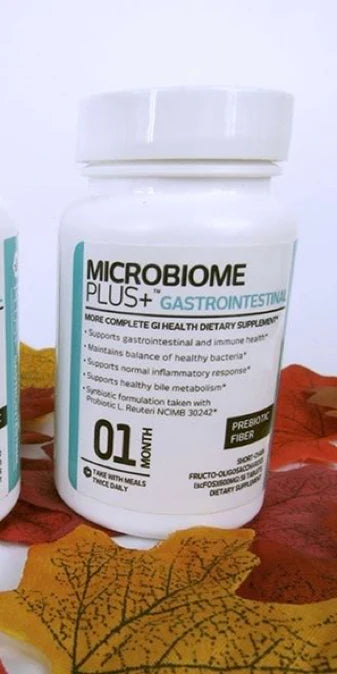
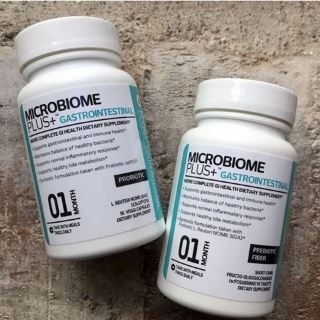
Our Lactobacillus reuteri NCIMB30242 is a great addition to any of the above probiotics as it helps support vitamin D production in the body, which contributes to sleep and immunity.
Not all probiotics are created equal when it comes to sleep. Some strains have strong clinical evidence showing they can improve sleep quality, reduce stress, or support mood. In the next section, we break down the latest science behind the most researched probiotics and postbiotics and what they can do. 7, 9, 14–21
Single-Strain Probiotics & Postbiotics
Lactobacillus gasseri CP2305 – Postbiotic*
✅ Sleep quality: faster sleep onset, longer sleep duration
♂️ Sleep effects stronger in men
✅ Stress reduction
Research: Studied in 6+ trials for adults with mild-to-moderate stress. 16,22
Mechanism: Balances the gut microbiome, prevents loss of beneficial Bifidobacteria under stress. 23
Practical note: Heat-killed postbiotic*; found in superfood blends and postbiotic sodas.
*This strain is most supported by evidence overall, although it’s actually a postbiotic. This means that the probiotic is killed with heat and purified to create a postbiotic supplement.
Lactobacillus gasseri probiotics are naturally found in fermented foods like Puba, Brazilian traditionally fermented cassava, but L. gasseri CP230 comes from samples of healthy volunteers. 16
Lactiplantibacillus plantarum Lp815
✅ Sleep duration improvement
✅ Anxiety reduction
♀️ Anxiety benefits stronger in women
✅ Night sweat reduction
Research: clinical trial including people with insomnia. 20
Mechanism: Boosts GABA production in the gut, which promotes relaxation and deep sleep.
This newly developed strain has been called “the natural GABA probiotic.” GABA is the mind’s brakes, a neurotransmitter that helps you feel calm and get deep, restful sleep.
Lactobacillus plantarum PS128
✅ Reduced awakenings during deep sleep
✅ Mood support
✅ Fatigue reduction
✅ Possibly autism support
Research: clinical trial in people with insomnia. 24
Added benefits: This strain is gaining traction among adults and children with autism, since early clinical research shows some benefits for improving symptoms of autism spectrum disorder in boys aged 7–15. 25
Lactobacillus plantarum JYLP-326
✅ Anxiety support
✅ Mood support
✅ Sleep quality improvement
✅ Proven gut microbiome support
Research: clinical trial in test anxious students. 26
Lactobacillus casei Shirota (LcS) – fermented milk
✅ Improved sleep duration and deep (delta) sleep
✅ Less sleepiness upon waking
Research: clinical trial in medical students with exam stress. 27
Lactobacillus helveticus – fermented milk
✅ Improved sleep efficiency
✅ Reduced nighttime waking
Research: clinical trial in healthy elderly people. 14
Cons: Overall sleep quality didn’t improve much.
Bifidobacterium longum 1714
✅ Sleep quality
✅ Daytime alertness
✅ Reduced mental fatigue
Research: clinical trial in healthy students with exam stress. 18
Added benefits: may alter brain activity toward reduced mental fatigue in healthy volunteers under social stress, making it popular for people with occasional stress and fatigue. 28
Bifidobacterium adolescentis SBT2786
✅ Mood improvement
✅ Longer sleep time
✅ More energy upon awakening and during the day
Research: clinical trial in adults with high stress. 29
Cons: Didn’t improve overall sleep quality.
Bifidobacterium breve CCFM1025
✅ Improved sleep quality
✅ Improved markers of stress
Research: clinical trial in people with stress-induced insomnia. 30
Added benefits: researched for improving mood in patients with depression by balancing the gut microbiome. 31
Mechanism: may help balance the stress (HPA) axis and boost tryptophan, which supports the production of the “happiness neurotransmitter” serotonin
Multi-Strain Probiotics
NVP-1704 (Lactobacillus reuteri NK33 + Bifidobacterium adolescentis NK98)
✅ Mood and anxiety support
✅ Improved sleep quality
✅ Gut microbiome balance and anti-inflammatory support
Research: clinical trial in healthy adults with psychological stress and mild (subclinical) depression, anxiety, and insomnia. 32
Mechanism: may help block inflammatory pathways and support the production of neurotransmitters involved in good mood and sleep like serotonin and GABA (based on animal studies). 33
Cons: NVP-1704 is a Korean product and, despite promising results, it’s not yet available for consumers in the U.S. and Canada.
Lactobacillus helveticus Rosell-52 and Bifidobacterium longum Rosell-17
✅ Improved sleep quality
✅ Mood support
✅ Stress and mental health support
✅ Skin health in women
Research: small clinical trial about sleep effects in dancers with high physical and psychological stress34, many clinical trials for supporting mood and mental health. 35
Added benefits: A new trial showed improved skin appearance (firmness, elasticity, and hydration) in women, making it a great choice for women who struggle with sleep but also want the beauty benefits. 36
Runner-Up Strains
✅ Lactobacillus acidophilus DDS-1 and Bifidobacterium animalis subsp. lactis UABla-12: reduced the effects of stress on the immune system in night shift workers. 37
✅ Limosilactobacillus fermentum PS150 (heat-treated postbiotic): improved melatonin levels and wakefulness but didn’t affect sleep quality. 17
Microbiome Plus+ Support for Sleep & Stress

✅ Lactobacillus reuteri NCIMB 30242: clinically researched for supporting vitamin D levels, which are critical for sleep quality. 38 Vitamin D deficiency has been associated with sleep disorders. 39
We also offer the following supplements for holistic sleep, mental health, and nutritional support:
- Prebiotic Fiber scFOS Supplement - Probiotic Booster
- Organic Ashwagandha - Adaptogenic Support for Relaxation
- Bone & Mind, Calcium & 5-HTP - Sleep and Mood Support
Visit our shop to learn more about our science-backed solutions for brain health support.
Learn about our brain health supplements: Supplements for Brain Health & Focus
Probiotics for Sleep and Anxiety
For those looking for both sleep and anxiety support, the following probiotics may be the best picks:
✅ Lactobacillus gasseri CP2305 – reduces anxiety and sleep disturbance under chronic stress. 23
✅ Lacticaseibacillus paracasei Lpc-37 – improves sleep, stress, and anxiety in adults and students. 18,19
Pro tip: Pair these probiotics with a balanced diet, micronutrients, and stress-management practices for the best results, especially if insomnia is linked to gut imbalance or stress.
If you want to know more about probiotics for anxiety and stress, read this post.
FAQs
Best Time to Take Probiotics for Sleep
It’s most commonly recommended to take probiotics for sleep before going to bed.
Others suggest taking probiotics in the morning with a light meal, to maximize their action on the gut microbiome. This may be a good strategy if you feel energized from probiotics and sensitive to their effects before bedtime.
Check the product label to see the recommendations for the strain you plan on using.
The most important thing, though, is consistency. Taking your probiotic at the same time daily is more important than the specific time. Whenever you decide to take your probiotic, keep at it.
How Long Do Probiotics Take to Work for Sleep?
Probiotics take time to work. Don’t give up if it’s just been a couple of weeks and you’re not seeing the results yet. As a rough rule, 4 weeks is the minimum time it may take a probiotic to work for sleep, but some may require more time.
According to a systematic review of 15 trials, the time it took for probiotics to improve sleep quality improved ranged from 4-6 weeks to 8-16 weeks. 6
Can Some Probiotics Keep You Awake?
Can some probiotics cause insomnia? Clinical trials have not reported insomnia as a side effect of probiotics. Many people experience better sleep from targeted probiotics. However, there are also some anecdotal reports of insomnia as a side effect of taking certain probiotics for gut health.
It’s possible that some people may be sensitive to the effects of probiotics based on their unique gut microbiome and overall health. The exact probiotic strain, dosage, and supplementation timing and duration also matter. Additional supplements or medications a person may be taking can also affect their response. Diet may also play in.
That means that pinpointing exactly what’s causing increased wakefulness at night from probiotics is not easy. But it’s important to take note of all of these factors and closely observe your response.
“For myself, I've realized that sometimes sugar intake with probiotics makes me stay up longer. I don't know why that is but I take it in the morning and I take Magnesium L-Threonate at night because it makes me drowsy and lets me think clearer,” shares Joel Blackstock.
Overall, probiotics work to balance your gut microbiome, and this takes time. Shifts in the gut microbiome can have a significant effect on many pathways in the body. It’s theoretically possible that the gradual process of displacing “bad” gut bacteria with “good” gut bacteria may cause a reaction in some people that triggers insomnia. This hasn’t been proven yet, however.
If you experience insomnia or worse sleep after taking a probiotic, talk to your doctor. There may be other supplements, medications, or even foods contributing to your response. Some people who experienced insomnia from probiotics mention it helped them to take probiotics in the morning instead of in the evening.
The Bottom Line: Should You Take Probiotics for Sleep?
If probiotics are on your radar for sleep, here’s the honest takeaway: they may help, but they’re not a quick fix. Sleep is shaped by many moving parts, and probiotics tend to work best when gut health is part of the issue and the right strains are taken consistently over time. For some people, that support can translate into deeper, more restorative sleep. For others, the effects may be subtle or take longer to notice.
If you decide to try probiotics for sleep, go in with realistic expectations. Focus on evidence-based strains, give them enough time to work, and support your gut with habits that already promote good sleep. While some researched strains aren’t yet available in supplements, many are. It’s important to check for the exact strain listed on the product label.
Probiotics can be a helpful piece of the puzzle, not just for sleeping longer, but for waking up feeling more rested. Everyone responds differently, so it may take some trial and error to find what works best for you. If you’re unsure where to start, a qualified care provider can help you build a personalized approach.
References (✔ backed by 39 published scientific papers):
1. Rippe JM. Lifestyle Medicine and Sleep. American Journal of Lifestyle Medicine. 2023;18(3):300-302. doi:https://doi.org/10.1177/15598276231199914
2. Di H, Guo Y, Daghlas I, et al. Evaluation of Sleep Habits and Disturbances Among US Adults, 2017-2020. JAMA Network Open. 2022;5(11):e2240788-e2240788. doi:https://doi.org/10.1001/jamanetworkopen.2022.40788
3. Lin Z, Jiang T, Chen M, Ji X, Wang Y. Gut microbiota and sleep: Interaction mechanisms and therapeutic prospects. Open life sciences. 2024;19(1):20220910. doi:https://doi.org/10.1515/biol-2022-0910
4. Johnstone JM, Hatsu I, Tost G, et al. Micronutrients for Attention-Deficit/Hyperactivity Disorder in Youths: A Placebo-Controlled Randomized Clinical Trial. Journal of the American Academy of Child & Adolescent Psychiatry. 2022;61(5):647-661. doi:https://doi.org/10.1016/j.jaac.2021.07.005
5. Soysal P, Smith L, Dokuzlar O, Isik AT. Relationship Between Nutritional Status and Insomnia Severity in Older Adults. Journal of the American Medical Directors Association. 2019;20(12):1593-1598. doi:https://doi.org/10.1016/j.jamda.2019.03.030
6. Ito H, Tomura Y, Kitagawa Y, et al. Effects of probiotics on sleep parameters: A systematic review and meta-analysis. Clinical Nutrition ESPEN. 2024;63:623-630. doi:https://doi.org/10.1016/j.clnesp.2024.07.006
7. Liu Y, Yu Y, Lu S, et al. Impact of probiotics on sleep quality and mood states in patients with insomnia: a systematic review and meta-analysis. Frontiers in Microbiology. 2025;16. doi:https://doi.org/10.3389/fmicb.2025.1596990
8. Haarhuis JE, Kardinaal A, Kortman GAM. Probiotics, prebiotics and postbiotics for better sleep quality: a narrative review. Beneficial Microbes. 2022;13(3):1-14. doi:https://doi.org/10.3920/bm2021.0122
9. Yu B, Wang KY, Wang NR, Zhang L, Zhang JP. Effect of probiotics and paraprobiotics on patients with sleep disorders and sub-healthy sleep conditions: a meta-analysis of randomized controlled trials. Frontiers in Neurology. 2024;15. doi:https://doi.org/10.3389/fneur.2024.1477533
10. Irwin C, McCartney D, Desbrow B, Khalesi S. Effects of probiotics and paraprobiotics on subjective and objective sleep metrics: a systematic review and meta-analysis. European Journal of Clinical Nutrition. Published online May 20, 2020. doi:https://doi.org/10.1038/s41430-020-0656-x
11. Gil-Hernández E, Ruiz-González C, Rodriguez-Arrastia M, et al. Effect of gut microbiota modulation on sleep: a systematic review and meta-analysis of clinical trials. Nutrition Reviews. 2023;81(12):1556-1570. doi:https://doi.org/10.1093/nutrit/nuad027
12. Sejbuk M, Siebieszuk A, Witkowska AM. The Role of Gut Microbiome in Sleep Quality and Health: Dietary Strategies for Microbiota Support. Nutrients. 2024;16(14):2259-2259. doi:https://doi.org/10.3390/nu16142259
13. Sivamaruthi BS, Chaiyasut C, Sisubalan N, Kesika P. The Impact of Probiotic Supplementation on the Sleep Quality of Humans: A Review of Results of Randomized, Blinded, Controlled Studies. Current pharmaceutical design. 2025;31(39):3128-3138. doi:https://doi.org/10.2174/0113816128370349250413163229
14. Yamamura S, Morishima H, Kumano-go T, et al. The effect of Lactobacillus helveticus fermented milk on sleep and health perception in elderly subjects. European Journal of Clinical Nutrition. 2007;63(1):100-105. doi:https://doi.org/10.1038/sj.ejcn.1602898
15. Wiącek J, Podgórski T, Kusy K, Łoniewski I, Skonieczna-Żydecka K, Karolkiewicz J. Evaluating the Impact of Probiotic Therapy on the Endocannabinoid System, Pain, Sleep and Fatigue: A Randomized, Double-Blind, Placebo-Controlled Trial in Dancers. International Journal of Molecular Sciences. 2024;25(11):5611-5611. doi:https://doi.org/10.3390/ijms25115611
16. Chu A, Samman S, Galland B, Foster M. Daily consumption of Lactobacillus gasseri CP2305 improves quality of sleep in adults - A systematic literature review and meta-analysis. Clinical Nutrition (Edinburgh, Scotland). 2023;42(8):1314-1321. doi:https://doi.org/10.1016/j.clnu.2023.06.019
17. Lee MC, Chen CY, Chen CY, Huang CC. Heat-Treated Limosilactobacillus fermentum PS150 Improves Sleep Quality with Severity-Dependent Benefits: A Randomized, Placebo-Controlled Trial. Nutrients. 2025;18(1):14. doi:https://doi.org/10.3390/nu18010014
18. Patterson E, Griffin SM, Ibarra A, Ellsiepen E, Hellhammer J. Lacticaseibacillus paracasei Lpc-37® improves psychological and physiological markers of stress and anxiety in healthy adults: A randomized, double-blind, placebo-controlled and parallel clinical trial (the Sisu study). Neurobiology of Stress. Published online November 2020:100277. doi:https://doi.org/10.1016/j.ynstr.2020.100277
19. Guan Y, Zhu R, Zhao W, et al. Effects of Lacticaseibacillus paracasei K56 on perceived stress among pregraduate students: a double-blind, randomized, placebo-controlled trial. Frontiers in Nutrition. 2025;12. doi:https://doi.org/10.3389/fnut.2025.1544713
20. Grant AD, Crisel M, Delebecque CJ, et al. Lactiplantibacillus plantarum Lp815 improves sleep and increases urinary GABA in a randomized, double-blind, placebo-controlled study of sleep disturbance. Scientific Reports. 2026;16(1):644-644. doi:https://doi.org/10.1038/s41598-025-27861-6
21. Marotta A, Sarno E, Del Casale A, et al. Effects of Probiotics on Cognitive Reactivity, Mood, and Sleep Quality. Frontiers in Psychiatry. 2019;10. doi:https://doi.org/10.3389/fpsyt.2019.00164
22. Nishida K, Sawada D, Kawai T, Kuwano Y, Fujiwara S, Rokutan K. Para‐psychobiotic Lactobacillus gasseri CP 2305 ameliorates stress‐related symptoms and sleep quality. Journal of Applied Microbiology. 2017;123(6):1561-1570. doi:https://doi.org/10.1111/jam.13594
23. Nishida K, Sawada D, Kuwano Y, Tanaka H, Rokutan K. Health Benefits of Lactobacillus gasseri CP2305 Tablets in Young Adults Exposed to Chronic Stress: A Randomized, Double-Blind, Placebo-Controlled Study. Nutrients. 2019;11(8):1859. doi:https://doi.org/10.3390/nu11081859
24. Ho YT, Tsai YC, Kuo TBJ, Yang CCH. Effects of Lactobacillus plantarum PS128 on Depressive Symptoms and Sleep Quality in Self-Reported Insomniacs: A Randomized, Double-Blind, Placebo-Controlled Pilot Trial. Nutrients. 2021;13(8):2820. doi:https://doi.org/10.3390/nu13082820
25. Liu YW, Liong MT, Chung YCE, et al. Effects of Lactobacillus plantarum PS128 on Children with Autism Spectrum Disorder in Taiwan: A Randomized, Double-Blind, Placebo-Controlled Trial. Nutrients. 2019;11(4):820. doi:https://doi.org/10.3390/nu11040820
26. Zhu R, Fang Y, Li H, et al. Psychobiotic Lactobacillus plantarum JYLP-326 relieves anxiety, depression, and insomnia symptoms in test anxious college via modulating the gut microbiota and its metabolism. Frontiers in Immunology. 2023;14. doi:https://doi.org/10.3389/fimmu.2023.1158137
27. Takada M, Nishida K, Gondo Y, et al. Beneficial effects of Lactobacillus casei strain Shirota on academic stress-induced sleep disturbance in healthy adults: a double-blind, randomised, placebo-controlled trial. Beneficial Microbes. 2017;8(2):153-162. doi:https://doi.org/10.3920/bm2016.0150
28. Wang H, Braun C, Murphy EF, Enck P. Bifidobacterium longum 1714TM Strain Modulates Brain Activity of Healthy Volunteers During Social Stress. The American Journal of Gastroenterology. 2019;114(7):1152-1162. doi:https://doi.org/10.14309/ajg.0000000000000203
29. Murakami H, Ko T, Ouchi H, Namba T, Ebihara S, Kobayashi S. Bifidobacterium adolescentis SBT2786 Improves Sleep Quality in Japanese Adults with Relatively High Levels of Stress: A Randomized, Double-Blind, Placebo-Controlled Study. Nutrients. 2024;16(11):1702-1702. doi:https://doi.org/10.3390/nu16111702
30. Lan Y, Lu J, Qiao G, et al. Bifidobacterium breve CCFM1025 Improves Sleep Quality via Regulating the Activity of the HPA Axis: A Randomized Clinical Trial. Nutrients. 2023;15(21):4700-4700. doi:https://doi.org/10.3390/nu15214700
31. Tian P, Chen Y, Zhu H, et al. Bifidobacterium breve CCFM1025 attenuates major depression disorder via regulating gut microbiome and tryptophan metabolism: A randomized clinical trial. Brain, Behavior, and Immunity. 2022;100:233-241. doi:https://doi.org/10.1016/j.bbi.2021.11.023
32. Lee HJ, Hong JK, Kim JK, et al. Effects of Probiotic NVP-1704 on Mental Health and Sleep in Healthy Adults: An 8-Week Randomized, Double-Blind, Placebo-Controlled Trial. Nutrients. 2021;13(8):2660. doi:https://doi.org/10.3390/nu13082660
33. Baek JS, Lee DY, Han SW, Kim DH. A probiotic NVP1704 alleviates stress-induced sleeplessness/depression-like symptoms in mice by upregulating serotonergic and GABAergic systems and downregulating NF-κB activation. Letters in applied microbiology. 2024;77(7):ovae065. doi:https://doi.org/10.1093/lambio/ovae065
34. Wiącek J, Skonieczna-Żydecka K, Łoniewski I, Styburski D, Kaczmarczyk M, Karolkiewicz J. A Randomized Controlled Trial Evaluating the Effects of a Probiotic Containing Lactobacillus helveticus R0052 and Bifidobacterium longum R0175 on Gastrointestinal Symptoms and Metabolomic Profiles in Female Dancers. International Journal of Molecular Sciences. 2025;26(12):5823. doi:https://doi.org/10.3390/ijms26125823
35. Slykerman RF, Davies N, Donohoe R. Evaluating the scientific evidence to support mental health and well-being claims made on probiotic products. Nutrition and Health. Published online January 19, 2025. doi:https://doi.org/10.1177/02601060241305682
36. Kassem O, Tremblay A, Ghaly MSW, Oula ML, Bronner S, Binda S. A Subjective Evaluation of the Effects of a Probiotic Formulation on Skin Quality in Young Adult Females: Open-Label Proof-of-Concept Study. International Journal of Probiotics & Prebiotics. 2025;20. Accessed November 5, 2025. https://www.nchpjournals.com/ManuscriptIjpp?id=2844
37. West NP, Hughes L, Ramsey R, et al. Probiotics, Anticipation Stress, and the Acute Immune Response to Night Shift. Frontiers in Immunology. 2021;11. doi:https://doi.org/10.3389/fimmu.2020.599547
38. Jones ML, Martoni CJ, Prakash S. Oral Supplementation With ProbioticL. reuteriNCIMB 30242 Increases Mean Circulating 25-Hydroxyvitamin D: A Post Hoc Analysis of a Randomized Controlled Trial. The Journal of Clinical Endocrinology & Metabolism. 2013;98(7):2944-2951. doi:https://doi.org/10.1210/jc.2012-4262
39. Romano F, Muscogiuri G, Di Benedetto E, et al. Vitamin D and Sleep Regulation: Is there a Role for Vitamin D? Current Pharmaceutical Design. 2020;26(21):2492-2496. doi:https://doi.org/10.2174/1381612826666200310145935

Ana Aleksic, MSc (Pharmacy)
Ana is an integrative pharmacist, scientist, and science communications specialist with many years of medical writing, clinical research, and health advising experience. She loves communicating science and empowering people to achieve their optimal health. Ana has edited 1000+ and written 500+ posts, some of which reached over 1 million people. She has also authored several ebooks and book chapters. Her specialties are dietary and herbal supplements, women’s health, probiotics, and human microbiome science. She is also a women's health coach and a strong advocate of bridging scientific knowledge with holistic medicine.